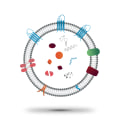
Exosomes are fascinating biological entities that play a pivotal role in cellular communication. These extracellular vesicles , typically ranging from 30 to 150 nanometers in diameter, are secreted by various cell types, including stem cells. They serve as carriers of vital information, facilitating the transfer of proteins, lipids, and genetic material between cells. This unique ability to communicate and influence neighbouring cells is what makes exosomes particularly intriguing in the realm of , typically ranging from 30 to 150 nanometers in diameter, are secreted by various cell types, including stem cells. They serve as carriers of vital information, facilitating the transfer of proteins, lipids, and genetic material between cells. This unique ability to communicate and influence neighbouring cells is what makes exosomes particularly intriguing in the realm of cosmetic treatments .The composition of exosomes is diverse and complex.
They contain a rich array of bioactive molecules, including growth factors, cytokines, and microRNAs, all of which contribute to their regenerative properties. When applied to the skin or injected into specific areas, exosomes can stimulate cellular processes that promote healing and rejuvenation. This mechanism is particularly beneficial for addressing signs of aging, such as fine lines, wrinkles, and loss of elasticity.Understanding the science behind exosomes is essential for appreciating their potential in facial rejuvenation. As we age, our skin's natural ability to repair itself diminishes, leading to visible signs of aging.
Exosome therapy harnesses the power of these vesicles to enhance skin health by promoting collagen production and improving overall skin texture. The result is a more youthful appearance that can be achieved with minimal invasiveness.In summary, exosomes represent a groundbreaking advancement in cosmetic treatments. Their ability to facilitate intercellular communication and deliver regenerative signals makes them a powerful tool for facial rejuvenation. As research continues to unveil the full potential of exosome therapy, it is clear that these tiny vesicles hold significant promise for those seeking to enhance their skin's vitality and appearance.
The Benefits of Using Exosomes for Facial Rejuvenation
Exosomes have emerged as a revolutionary treatment in the realm of facial rejuvenation, offering a multitude of benefits that cater to various skin concerns.These microscopic vesicles, derived from stem cells, play a crucial role in cellular communication and regeneration, making them an ideal choice for enhancing skin health.One of the primary advantages of using exosomes for facial rejuvenation is their ability to stimulate collagen production. Collagen is a vital protein that provides structure and elasticity to the skin. As we age, collagen levels naturally decline, leading to sagging skin and the formation of wrinkles. Exosomes contain growth factors that can significantly boost collagen synthesis, resulting in firmer, more youthful-looking skin.In addition to promoting collagen, exosomes are known for their effectiveness in improving skin texture.
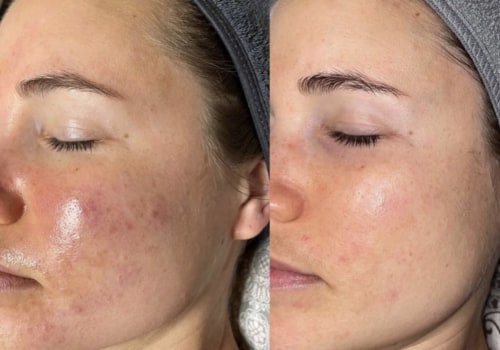
Many individuals struggle with uneven skin tone, rough patches, and enlarged pores. The regenerative properties of exosomes help to enhance overall skin texture by encouraging cell turnover and promoting the growth of new, healthy skin cells. This leads to a smoother complexion and a more radiant appearance.Another notable benefit is the reduction of fine lines and wrinkles. Exosome treatments can effectively diminish the visibility of these common signs of aging by revitalising the skin from within.
The growth factors present in exosomes work to repair damaged tissues and promote cellular regeneration, which helps to fill in fine lines and restore a youthful glow.Moreover, exosome therapy is less invasive compared to traditional cosmetic procedures. Patients can experience significant improvements without the need for extensive downtime or recovery periods. This makes exosome treatments an attractive option for those seeking effective rejuvenation with minimal disruption to their daily lives.Lastly, exosomes offer a natural approach to skincare. As they are derived from the body’s own cells, there is a lower risk of adverse reactions or complications compared to synthetic fillers or other invasive treatments.
This biocompatibility ensures that patients can enjoy the benefits of facial rejuvenation while maintaining peace of mind regarding their safety.In summary, the benefits of using exosomes for facial rejuvenation are profound. From enhancing collagen production and improving skin texture to reducing fine lines and offering a natural treatment option, exosomes represent a promising advancement in cosmetic dermatology that can help individuals achieve their desired aesthetic goals.
How Exosome Treatments Work: Methods and Techniques
Exosome treatments have gained significant traction in the realm of facial rejuvenation, primarily due to their versatility and effectiveness. Understanding the various methods of administering exosomes is crucial for achieving optimal results. The three primary methods include injections , topical applications , and microneedling .Exosome Injection Methods
One of the most common and effective ways to deliver exosomes is through injections.This method allows for targeted treatment, enabling practitioners to focus on specific areas of concern. Exosomes can be injected directly into the dermis, where they can stimulate collagen production and enhance skin elasticity. The injection process typically involves:
- Consultation: A thorough assessment of the patient's skin condition and aesthetic goals.
- Preparation: The skin is cleansed, and a topical anaesthetic may be applied to minimise discomfort.
- Injection: Using a fine needle, exosomes are injected into predetermined areas, such as the cheeks, forehead, or around the eyes.
Topical Application of Exosomes
For those seeking a less invasive option, topical application of exosomes is an excellent alternative.This method involves applying exosome-infused serums or creams directly onto the skin's surface. While it may take longer to see results compared to injections, topical application offers several benefits:
- Ease of Use: It can be easily incorporated into daily skincare routines.
- Minimal Discomfort: There is no need for needles or anaesthesia.
- Overall Skin Health: Topical treatments can improve skin texture and hydration while promoting a radiant complexion.
Microneedling with Exosomes
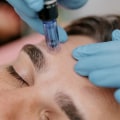
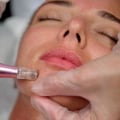
A highly effective technique that combines the benefits of microneedling with exosome therapy is known as microneedling with exosomes. This method involves creating micro-injuries in the skin using a microneedling device, which enhances the absorption of exosomes. The process typically includes:- Preparation: Similar to injections, the skin is cleansed and numbed.
- Microneedling: A device with fine needles creates controlled micro-injuries in the skin.
- Application of Exosomes: Immediately after microneedling, an exosome serum is applied to maximise absorption and promote healing.
Patients often report significant improvements in skin tone and firmness following this treatment.In conclusion, understanding how to effectively administer exosomes through injections, topical applications, or microneedling can significantly enhance facial rejuvenation outcomes. Each method has its unique advantages, allowing practitioners to tailor treatments to meet individual patient needs and preferences.
Target Areas for Exosome Application in Facial Rejuvenation
When considering exosome treatments for facial rejuvenation, it is essential to identify the specific areas of the face that can benefit the most from this innovative therapy. Each region of the face has unique characteristics and concerns, making targeted application crucial for achieving optimal results.Forehead
The forehead is often one of the first areas to show signs of aging, with fine lines and wrinkles becoming more pronounced over time. Exosomes can be injected into this area to stimulate collagen production, which helps to smooth out these lines and improve overall skin texture.By enhancing skin elasticity, exosomes can contribute to a more youthful appearance, reducing the visibility of forehead creases.
Cheeks
The cheeks play a significant role in facial aesthetics, and as we age, they may lose volume and firmness. Exosome therapy can help restore this lost volume by promoting collagen synthesis and improving skin elasticity. This treatment not only enhances the contour of the cheeks but also contributes to a more radiant complexion, making the face appear fuller and more youthful.Under-Eye Area
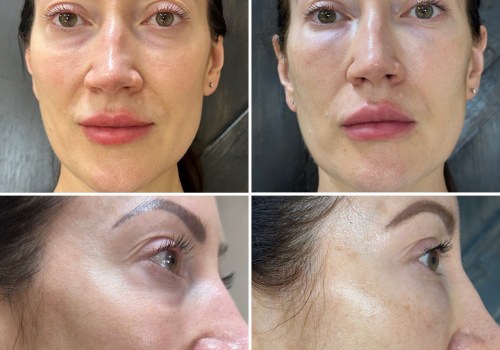
The under-eye area is particularly delicate and prone to issues such as dark circles, puffiness, and fine lines. Exosomes can be effectively applied here to rejuvenate the skin by improving circulation and reducing inflammation.This targeted therapy can diminish the appearance of dark circles and bags under the eyes, resulting in a refreshed and revitalised look.
Neck
The neck is often overlooked in skincare routines but is equally susceptible to signs of aging. Skin on the neck tends to sag and lose elasticity over time. Applying exosomes in this area can help tighten and firm the skin, providing a smoother appearance. Regular treatments can significantly enhance the neck's overall texture and tone, contributing to a more youthful profile.In conclusion, understanding these target areas for exosome application allows individuals to make informed decisions about their facial rejuvenation treatments.By focusing on specific regions such as the forehead, cheeks, under-eye area, and neck, patients can achieve tailored results that address their unique concerns effectively.
What to Expect During an Exosome Treatment Session
When considering exosome treatmentexosome treatment for facial rejuvenation, understanding the process can significantly enhance your experience and set realistic expectations. Here’s a detailed overview of what you can expect during an exosome treatment session.Preparation for the Treatment
- Consultation: Prior to the treatment, a thorough consultation with a qualified practitioner is essential. This session will involve discussing your skin concerns, medical history, and aesthetic goals. The practitioner will assess your skin type and determine if exosome therapy is suitable for you.
- Pre-Treatment Instructions: You may receive specific instructions to follow before your appointment.
This could include avoiding certain medications, alcohol, or skincare products that may irritate the skin.
- Skin Assessment: On the day of the treatment, your skin will be evaluated again to ensure it is in optimal condition for the procedure.
The Exosome Treatment Procedure
- Cleansing: The treatment area will be thoroughly cleansed to remove any makeup, dirt, or oils. This step is crucial for ensuring that the exosomes can penetrate effectively.
- Anesthesia: Depending on your comfort level and the extent of the treatment, a topical anesthetic may be applied to minimise discomfort during the procedure.
- Application of Exosomes: The exosomes can be administered through various methods, including injections or topical application. If injected, they are strategically placed in areas requiring rejuvenation. For topical applications, exosomes are massaged into the skin to enhance absorption.
- Duration: The entire procedure typically lasts between 30 minutes to an hour, depending on the areas being treated and the method used.
Post-Treatment Care and Recovery
- Immediate Aftercare: After the treatment, you may experience mild redness or swelling in the treated areas.
This is normal and should subside within a few hours to a couple of days.
- Avoiding Irritants: It’s advisable to avoid sun exposure, strenuous exercise, and harsh skincare products for at least 48 hours post-treatment to allow your skin to heal properly.
- Hydration: Keeping your skin well-hydrated is crucial. Use gentle moisturisers and consider incorporating hydrating serums that complement the effects of exosomes.
- Follow-Up Appointments: Depending on your individual needs, follow-up sessions may be recommended to achieve optimal results. Your practitioner will guide you on the best schedule based on your skin's response.
Potential Side Effects and Considerations of Exosome Treatments
While exosome treatments offer promising benefits for facial rejuvenation, it is essential to consider the potential side effects and risks associated with these therapies. Understanding these factors can help individuals make informed decisions about their cosmetic procedures.One of the most common concerns regarding exosome treatments is the possibility of an allergic reaction.Although rare, some patients may experience hypersensitivity to the components within the exosomes or any additional substances used during the procedure. Symptoms can range from mild redness and swelling at the injection site to more severe reactions, such as itching or hives.Another potential side effect is inflammation. Following an exosome injection, some individuals may notice temporary swelling or tenderness in the treated area. This is typically a natural response as the body reacts to the introduction of new substances.
However, if inflammation persists or worsens, it is crucial to consult with a healthcare professional.Infection is also a risk associated with any injectable treatment. Although exosome therapy is generally performed in sterile environments, there remains a small chance of introducing bacteria into the skin. Patients should be vigilant for signs of infection, such as increased pain, warmth, or discharge from the injection site.Moreover, there are considerations regarding the long-term effects of exosome therapy. As this treatment is relatively new in the cosmetic field, comprehensive studies on its long-term safety and efficacy are still ongoing.
Patients should discuss their concerns with qualified practitioners who can provide insights based on current research and clinical experience.It is also important to note that individual responses to exosome treatments can vary significantly. Factors such as skin type, age, and overall health can influence how one reacts to therapy. Therefore, a thorough consultation with a qualified professional is essential to assess suitability and tailor the treatment plan accordingly.In conclusion, while exosome treatments can offer remarkable benefits for facial rejuvenation, potential side effects and risks must be carefully considered. By being aware of these factors and engaging in open discussions with healthcare providers, individuals can make well-informed choices about their cosmetic treatments.
Maintaining Results: Aftercare and Follow-Up Treatments
After undergoing exosome treatment for facial rejuvenation, it is crucial to follow a comprehensive aftercare regimen to maximise the benefits and ensure long-lasting results.Proper aftercare not only aids in the healing process but also enhances the effectiveness of the treatment.
1.Immediate Aftercare
- Following the procedure, it is common to experience mild swelling or redness in the treated areas. This is a normal reaction and should subside within a few hours to a couple of days.
- Avoid touching or applying pressure to the treated areas for at least 24 hours to prevent irritation or infection.
- Keep your skin clean and avoid using harsh skincare products for at least a week post-treatment. Opt for gentle cleansers and moisturisers that are free from fragrances and irritants.
2.Sun Protection
Sun exposure can significantly impact the results of your exosome treatment. It is essential to:
- Apply a broad-spectrum sunscreen with an SPF of 30 or higher daily, even on cloudy days.
- Avoid direct sun exposure during peak hours (10 AM to 4 PM) for at least two weeks following your treatment.
3.Hydration and Nutrition
Staying hydrated and maintaining a balanced diet can further support your skin's healing process:
- Drink plenty of water to keep your skin hydrated from within.
- Incorporate foods rich in antioxidants, vitamins, and minerals, such as fruits, vegetables, nuts, and seeds, to promote skin health.
4.Follow-Up Treatments
To maintain the rejuvenating effects of exosomes, regular follow-up sessions are recommended.
These sessions can:
- Help sustain collagen production and skin elasticity over time.
- Address any new concerns that may arise as your skin continues to age.
5.Monitoring Results
Keep track of your skin's progress after treatment. Take photos at regular intervals to visually assess improvements in texture, tone, and overall appearance. If you notice any unexpected changes or concerns, consult your practitioner promptly for advice.By adhering to these aftercare guidelines and committing to follow-up treatments, you can enjoy the full benefits of exosome therapy and maintain a youthful, radiant complexion for years to come.
Frequently Asked Questions About Exosomes in Facial Rejuvenation
As the popularity of exosomes in facial rejuvenation continues to rise, many individuals have questions about this innovative treatment.Below, we address some of the most frequently asked questions to provide clarity and insight into the use of exosomes for enhancing skin health and appearance.
What are exosomes?
Exosomes are tiny extracellular vesicles that are secreted by various types of cells, including stem cells. They play a crucial role in cell communication and contain a rich array of proteins, lipids, and genetic material. When applied to the skin, exosomes can facilitate tissue repair and regeneration, making them a powerful tool in cosmetic treatments.How do exosomes work for facial rejuvenation?
When introduced into the skin through injections or topical application, exosomes promote collagen production, enhance skin elasticity, and improve overall skin texture. They help to stimulate the body’s natural healing processes, leading to a more youthful appearance by reducing fine lines, wrinkles, and other signs of aging.Are exosome treatments safe?
Yes, exosome treatments are generally considered safe when performed by qualified professionals.Since they are derived from natural biological processes, the risk of adverse reactions is minimal. However, it is essential to consult with a licensed practitioner who can assess your individual needs and medical history.
How long do the results last?
The longevity of results from exosome treatments can vary based on individual factors such as skin type, age, and lifestyle. Typically, patients may enjoy visible improvements for several months. To maintain optimal results, follow-up sessions may be recommended.Can exosomes be combined with other treatments?
Absolutely! Exosomes can be effectively combined with other cosmetic procedures such as microneedling or laser therapy.These combinations can enhance the absorption of exosomes into the skin and amplify their rejuvenating effects.
What should I expect during an exosome treatment session?
During an exosome treatment session, your practitioner will first cleanse your skin and may apply a topical anaesthetic to minimise discomfort. Depending on the method chosen—whether injection or topical application—the procedure typically lasts between 30 minutes to an hour. Post-treatment care instructions will be provided to ensure optimal healing and results.If you have further questions or concerns about using exosomes for facial rejuvenation, it is advisable to consult with a skincare professional who can provide personalised guidance tailored to your specific needs.Conclusion: The Future of Facial Rejuvenation with Exosomes
As we draw to a close on our exploration of exosomes and their transformative role in facial rejuvenation, it is essential to reflect on the remarkable potential these cellular components hold for the future of cosmetic dermatology. Throughout this guide, we have delved into the science behind exosomes, their mechanisms of action, and the various methods of application that can lead to significant improvements in skin health and appearance.The versatility of exosomes is one of their most compelling attributes.Whether administered through injections or applied topically, they offer a non-invasive solution that can be tailored to meet individual skin concerns. From reducing fine lines and wrinkles to enhancing skin texture and elasticity, the benefits are both profound and wide-ranging.Moreover, the ability to combine exosome treatments with other cosmetic procedures, such as microneedling or laser therapy, opens up new avenues for achieving optimal results. This synergistic approach not only maximises the efficacy of treatments but also provides patients with a comprehensive strategy for maintaining youthful skin.As research continues to evolve, we can anticipate even more innovative applications of exosomes in aesthetic medicine. The ongoing studies into their regenerative properties suggest that we are only scratching the surface of what these tiny vesicles can achieve.
Future advancements may lead to enhanced formulations and techniques that further amplify their rejuvenating effects.In conclusion, exosomes represent a groundbreaking advancement in the field of facial rejuvenation. Their ability to promote healing and regeneration positions them as a frontrunner in non-surgical cosmetic treatments. As more practitioners adopt this technology and as patient awareness grows, it is likely that exosomes will become a staple in skincare regimens aimed at combating the signs of aging.For those considering options for facial rejuvenation, exploring exosome treatments could be a pivotal step towards achieving a more youthful and vibrant appearance. With proper guidance from qualified professionals, individuals can harness the power of exosomes to unlock their skin's potential and embrace a future filled with confidence.