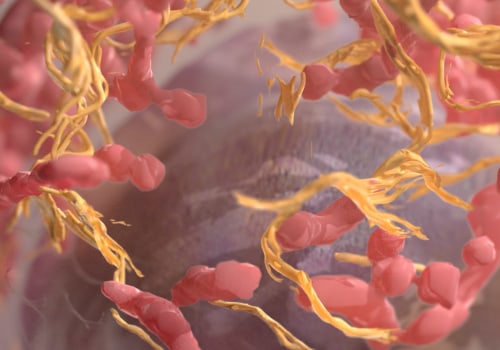
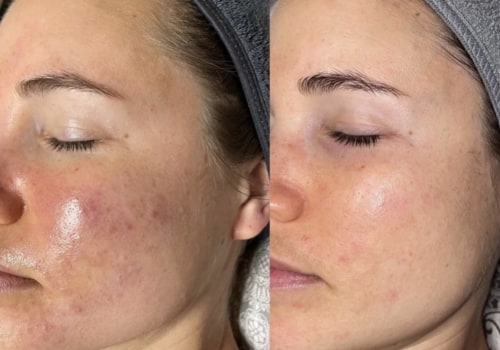
Exosomes are tiny extracellular vesicles that play a pivotal role in cellular communication and regeneration. These nano-sized particles are secreted by various cell types and are rich in proteins, lipids, and nucleic acids. In recent years, exosomes have gained significant attention in the field of regenerative medicine and aesthetic treatments due to their remarkable ability to promote healing and rejuvenation at the cellular level. By facilitating the transfer of bioactive molecules between cells, exosomes can enhance tissue repair, reduce inflammation, and stimulate collagen production, making them a powerful tool in skin therapy.The benefits of exosome therapy extend beyond mere cosmetic enhancements.
Patients undergoing exosome treatments often report improvements in skin texture, tone, and elasticity. This innovative approach not only addresses visible signs of aging but also targets underlying skin conditions such as acne scars, pigmentation issues, and overall skin laxity. As a result, exosome therapy is becoming increasingly popular among individuals seeking non-invasive solutions for skin rejuvenation.Moreover, the versatility of exosome applications is noteworthy. They can be used in conjunction with various procedures such as microneedling or laser treatments to amplify results.
This synergistic effect allows for a more comprehensive approach to skincare, ensuring that patients achieve optimal outcomes tailored to their unique needs. As we delve deeper into the topic of how often one should undergo exosome treatments, it is essential to understand these foundational benefits and the science behind them.
What Are Exosomes?
Exosomes are small extracellular vesicles, typically ranging from 30 to 150 nanometers in diameter, that play a crucial role in intercellular communication. They are secreted by various cell types and contain a complex mixture of proteins, lipids, and nucleic acids, which can influence the behaviour of recipient cells. This unique composition allows exosomes to act as carriers of molecular signals, facilitating communication between cells and contributing to various physiological processes.Functions of Exosomes
- Cell Communication: Exosomes are pivotal in mediating communication between cells.
They transport bioactive molecules that can alter the function and fate of target cells, thereby influencing processes such as immune response, tissue repair, and inflammation.
- Regenerative Medicine: In the context of regenerative medicine, exosomes derived from stem cells have shown promise in promoting tissue regeneration and healing. They can enhance cellular repair mechanisms and modulate inflammatory responses.
- Biomarkers: Due to their presence in various bodily fluids, exosomes are being explored as potential biomarkers for diseases. Their content can reflect the physiological state of the originating cell, making them valuable for diagnostic purposes.
Types of Exosomes
Exosomes can be classified based on their origin and function:
- Endosomal Origin: Most exosomes originate from the endosomal system. They are formed when multivesicular bodies (MVBs) fuse with the plasma membrane, releasing their contents into the extracellular space.
- Cell Type Specific: Different cell types produce exosomes with distinct molecular signatures.
For instance, exosomes from immune cells may carry different proteins compared to those from neuronal cells, reflecting their specific functions and roles in health and disease.
- Therapeutic Exosomes: These are engineered or naturally derived exosomes designed for therapeutic applications. They can be loaded with drugs or genetic material to target specific diseases or conditions.
How Do Exosome Treatments Work?
Exosome therapy is a cutting-edge treatment that harnesses the power of exosomes—tiny vesicles secreted by cells that play a crucial role in cell communication and regeneration. Understanding how exosome treatments work can illuminate why the frequency of these treatments is essential for achieving optimal results.Mechanism of Action
Exosomes are rich in proteins, lipids, and genetic material, which facilitate intercellular communication.
When introduced into the body, they can significantly enhance the healing process by:
- Stimulating Cell Regeneration: Exosomes promote the proliferation of skin cells, leading to improved texture and tone. They encourage the production of collagen and elastin, essential proteins that maintain skin elasticity and firmness.
- Reducing Inflammation: The anti-inflammatory properties of exosomes help to calm irritated skin, making them particularly beneficial for conditions like acne or rosacea.
- Enhancing Tissue Repair: By delivering growth factors and cytokines directly to damaged tissues, exosomes accelerate the healing process, allowing for quicker recovery from injuries or cosmetic procedures.
The Treatment Process
The process of exosome therapy typically involves several key steps:
- Consultation: A thorough assessment by a qualified practitioner to determine individual needs and treatment goals.
- Preparation: The area to be treated is cleaned and may be numbed to ensure comfort during the procedure.
- Application: Exosomes are administered through various methods, such as injections or microneedling, allowing for targeted delivery to specific areas.
- Post-Treatment Care: Patients receive guidance on aftercare to maximise results and minimise any potential side effects.
By leveraging the natural regenerative capabilities of exosomes, patients can achieve remarkable improvements in their skin's appearance and overall vitality.
Recommended Frequency of Exosome Treatments
Determining the optimal frequency for exosome treatments is crucial for achieving the best possible results. The timing of these sessions can significantly influence the effectiveness of the therapy, and it is essential to tailor the treatment schedule to individual needs and skin conditions.Generally, exosome treatments are recommended to be spaced out between two to four weeks. This interval allows the skin to fully absorb the benefits of each session, promoting cellular regeneration and healing. For those seeking long-term improvements, a regimen of treatments every three to six months is advisable.This approach not only maintains the results but also enhances the skin's overall health.When planning your exosome treatment schedule, consider the following factors:
- Skin Condition: The severity of your skin issues plays a significant role in determining how often you should undergo treatments. For example, individuals with more pronounced concerns may benefit from more frequent sessions initially.
- Treatment Goals: Your specific objectives—whether it's reducing fine lines, improving skin texture, or addressing pigmentation—will influence the frequency of treatments. Discussing these goals with a qualified practitioner can help establish a tailored plan.
- Response to Treatment: Each person's skin responds differently to exosome therapy. Some may notice improvements sooner than others, which can affect how often they should return for additional sessions.
This timing allows for any potential redness or swelling to subside while ensuring that your skin looks its best on the day of the event.In cases where microneedling is combined with exosome therapy, treatments are typically recommended every four to six weeks. A series of three to six sessions is often necessary for optimal results, but again, this should be personalised based on individual assessments.Ultimately, consulting with a healthcare professional who specialises in exosome therapy is vital. They can provide personalised recommendations based on your unique skin type and treatment goals, ensuring that you achieve the most effective outcomes from your exosome treatments.
Factors Influencing Treatment Frequency
When considering how often to undergo exosome treatments, several key factors come into play that can significantly influence the frequency of sessions. Understanding these factors is essential for tailoring a treatment plan that aligns with individual skin needs and desired outcomes.1.Individual Skin Conditions
The specific skin condition being treated is one of the primary determinants of how frequently exosome therapy should be administered.
For instance, individuals with chronic skin issues such as acne scars or significant signs of ageing may require more frequent treatments initially to achieve optimal results. In contrast, those seeking maintenance or minor improvements might find that less frequent sessions suffice.
2.Desired Outcomes
Your personal goals for treatment will also dictate the frequency of sessions. If you are preparing for a special event or looking to achieve rapid improvements in your skin's appearance, your practitioner may recommend a more aggressive treatment schedule. Conversely, if you are focused on long-term skin health and gradual enhancement, a spaced-out regimen may be more appropriate.
3.Individual Response to Treatment
Each person's skin responds differently to exosome therapy, which can affect how often treatments should be performed.
Some patients may notice significant improvements shortly after their first session, while others might require multiple treatments before seeing visible changes. Regular assessments by your healthcare provider can help determine the effectiveness of the treatment and whether adjustments to the schedule are necessary.
4.Age and Skin Type
Your age and skin type can also influence treatment frequency. Younger individuals with resilient skin may benefit from longer intervals between treatments, while older patients or those with sensitive skin might need more frequent sessions to stimulate collagen production and enhance skin texture.
5.Overall Skin Health
The overall health of your skin plays a crucial role in determining how often you should receive exosome treatments. Factors such as hydration levels, sun exposure, and lifestyle choices can impact your skin's condition and its response to therapy.
A comprehensive evaluation by a qualified professional will help tailor the treatment plan to your unique circumstances.In summary, the frequency of exosome treatments is not a one-size-fits-all approach. By considering individual skin conditions, desired outcomes, personal responses to treatment, age, skin type, and overall health, you can work with your healthcare provider to establish a personalised treatment schedule that maximises benefits while ensuring safety and efficacy.
Expected Results and Longevity of Exosome Treatments
When considering exosome treatments, it is essential to understand the expected results and the longevity of these effects. Exosomes, which are tiny vesicles derived from stem cells, play a crucial role in cellular communication and regeneration. As a result, patients often experience significant improvements in skin texture, tone, and overall appearance following treatment.Results from Exosome Therapy
- Improved Skin Texture: Many patients report smoother skin with reduced roughness and enhanced elasticity.
- Even Skin Tone: Exosome therapy can help diminish hyperpigmentation and redness, leading to a more uniform complexion.
- Reduced Fine Lines and Wrinkles: The regenerative properties of exosomes stimulate collagen production, which can soften the appearance of fine lines and wrinkles.
- Enhanced Hydration: Patients often notice improved moisture retention in their skin, contributing to a plumper and healthier look.
Generally, noticeable improvements can be seen within a few weeks post-treatment, with optimal results typically manifesting around three months after the procedure.
How Long Do Results Last?
The longevity of exosome treatment effects is another critical aspect to consider. On average, the results can last anywhere from six to twelve months. However, this duration can be influenced by several factors:
- Individual Skin Condition: Those with more severe skin issues may require more frequent treatments to maintain results.
- Age: As we age, our skin's natural regenerative abilities decline, which may affect how long the results last.
- Post-Treatment Care: Following a proper skincare regimen after treatment can significantly enhance the longevity of the results.
By understanding what to expect in terms of outcomes and their duration, patients can make informed decisions about their treatment plans and frequency.
Preparing for Your Exosome Treatment
Preparing for your exosome treatment is a crucial step in ensuring that you achieve the best possible results. By taking the time to follow specific guidelines before your session, you can enhance the effectiveness of the therapy and promote optimal healing. Here are some essential tips to consider:- Consultation with Your Practitioner: Before undergoing exosome therapy, it is vital to have a thorough consultation with your healthcare provider. Discuss your medical history, skin concerns, and treatment goals.
This will help your practitioner tailor the treatment to your individual needs.
- Avoid Blood Thinners: In the week leading up to your treatment, it is advisable to avoid medications and supplements that can thin your blood, such as aspirin, ibuprofen, and vitamin E. This can help reduce the risk of bruising and promote a smoother recovery.
- Stay Hydrated: Proper hydration is essential for skin health. Drink plenty of water in the days leading up to your treatment to ensure that your skin is well-hydrated. This can enhance the absorption of exosomes and improve overall results.
- Avoid Sun Exposure: Protecting your skin from sun exposure is crucial before your treatment.
Excessive sun exposure can lead to inflammation and sensitivity, which may hinder the effectiveness of exosome therapy. Use a broad-spectrum sunscreen and wear protective clothing if you need to be outdoors.
- Limit Alcohol Consumption: Alcohol can dehydrate your body and skin, potentially affecting the outcome of your treatment. It is best to limit or avoid alcohol consumption for at least 48 hours prior to your session.
- Follow Pre-Treatment Instructions: Your practitioner may provide specific pre-treatment instructions tailored to your unique situation. Be sure to follow these guidelines closely for optimal results.
Remember that each individual’s skin responds differently, so maintaining open communication with your healthcare provider throughout the process is key. With proper preparation, you are setting yourself up for a successful treatment experience that can lead to rejuvenated and healthier skin.
Post-Treatment Care and Maintenance
After undergoing exosome therapy, proper post-treatment care is essential to maximise the benefits and ensure long-lasting results. The skin is often more sensitive following the procedure, and adhering to a tailored skincare regimen can significantly enhance the healing process and overall outcomes.Immediate Post-Treatment Care
- Following your exosome treatment, it is crucial to avoid direct sunlight for at least 48 hours. Sun exposure can lead to irritation and diminish the effectiveness of the therapy.
- Keep the treated area clean and avoid touching your face unnecessarily to prevent introducing bacteria that could lead to infection.
- Hydration is key.
Drink plenty of water to help your skin recover and maintain its elasticity.
- Use a gentle cleanser that is free from harsh chemicals or exfoliants for at least a week post-treatment.
Skincare Routine
Incorporating a suitable skincare routine after exosome therapy can help maintain the results:
- Moisturisation: Apply a high-quality moisturiser daily to keep your skin hydrated. Look for products containing hyaluronic acid or ceramides, which are excellent for retaining moisture.
- Sunscreen: Use a broad-spectrum sunscreen with an SPF of at least 30 every day, even on cloudy days. This protects your skin from UV damage and helps prevent premature ageing.
- Avoid Harsh Products: Steer clear of retinoids, alpha hydroxy acids (AHAs), and beta hydroxy acids (BHAs) for at least two weeks post-treatment, as these can irritate the skin.
Long-Term Maintenance
To prolong the effects of exosome therapy, consider scheduling follow-up treatments as recommended by your healthcare provider. Regular maintenance sessions every 3 to 6 months can help sustain the rejuvenating effects of exosomes on your skin.Additionally, maintaining a healthy lifestyle plays a significant role in skincare:
- Nutrition: A balanced diet rich in antioxidants, vitamins, and minerals supports skin health from within.
Foods like berries, nuts, and leafy greens are particularly beneficial.
- Hydration: Continue to drink adequate water daily to keep your skin plump and hydrated.
- Avoid Smoking and Excessive Alcohol: Both can accelerate skin ageing and counteract the benefits of your treatment.
Common Questions About Exosome Treatments
Exosome therapy has gained significant attention in recent years, leading to numerous questions from potential patients. Below are some of the most common queries regarding exosome treatments and their frequency.What are exosomes and how do they work?
Exosomes
are tiny vesicles secreted by cells that play a crucial role in cell communication. They contain proteins, lipids, and genetic material that can influence the behaviour of other cells. In the context of therapy, exosomes derived from stem cells can promote healing, reduce inflammation, and enhance tissue regeneration.
How often should I undergo exosome treatments?
The frequency of exosome treatments largely depends on individual skin conditions and treatment objectives.Generally, it is advisable to schedule sessions every 2 to 4 weeks for the initial series of treatments. Most practitioners recommend a total of three to six sessions to achieve optimal results. After this initial phase, maintenance treatments can be performed every 3 to 6 months , depending on your skin's response and needs.
Are there any side effects associated with exosome therapy?
Exosome therapy is considered safe for most individuals, with minimal side effects reported. Some patients may experience mild swelling or redness at the injection site, which typically resolves within a few days.It is essential to consult with a qualified practitioner who can assess your specific situation and address any concerns.
Can I combine exosome therapy with other treatments?
Yes, exosome therapy can be effectively combined with other aesthetic procedures such as microneedling , chemical peels, or laser treatments. This combination can enhance overall results by promoting deeper skin rejuvenation. However, it is crucial to discuss your treatment plan with your healthcare provider to ensure compatibility and safety.How long do the effects of exosome treatments last?
The results from exosome therapy can last anywhere from 6 to 12 months , depending on various factors such as skin type, age, and lifestyle. Regular maintenance sessions can help prolong these effects and maintain skin health.If you have further questions or specific concerns about exosome therapy, it is always best to consult with a qualified professional who can provide tailored advice based on your unique needs.Conclusion: Finding Your Ideal Exosome Treatment Schedule
In conclusion, determining the optimal frequency for exosome treatments is essential for achieving the best possible results tailored to your individual skin needs.As we have discussed, the general recommendation is to undergo these treatments every 3 to 6 months, with sessions typically spaced 2 to 4 weeks apart. This schedule allows your skin to fully benefit from each treatment, ensuring that the effects are both visible and long-lasting.It is important to note that while many patients may see improvements within a few weeks, the longevity of these results can vary significantly based on several factors. These include the specific skin condition being treated, the area of application, and how your skin responds to the therapy. Therefore, a personalised approach is crucial.For those considering microneedling with exosomes, a treatment plan usually involves sessions every 4 to 6 weeks.
A series of 3 to 6 treatments is often recommended for optimal outcomes. However, it is vital to consult with a qualified professional who can assess your unique situation and adjust your treatment schedule accordingly.Moreover, if you are preparing for a significant event, scheduling an exosome treatment about a week prior can help enhance your complexion and provide that radiant glow you desire. Regular treatments not only improve immediate results but also contribute to long-term skin health.Ultimately, the key takeaway is that while general guidelines exist, your ideal exosome treatment schedule should be customised based on your specific goals and skin condition. We encourage you to engage in a thorough discussion with your healthcare provider to develop a plan that aligns with your needs and expectations.By prioritising professional guidance and adhering to a tailored treatment schedule, you can maximise the benefits of exosome therapy and achieve healthier, more vibrant skin.