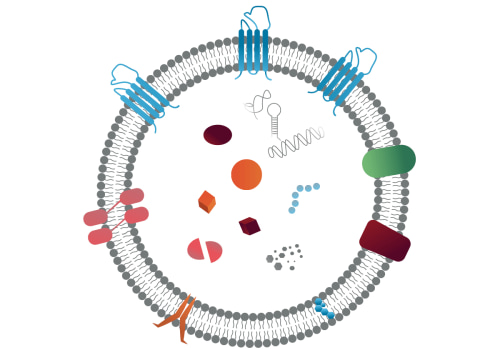
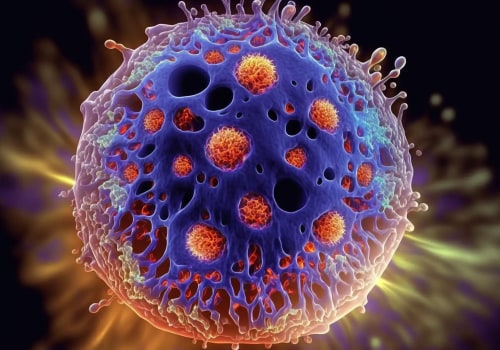
Exosomes are tiny extracellular vesicles, typically ranging from 30 to 150 nanometers in diameter, that play a crucial role in intercellular communication. They are secreted by various cell types and contain a complex mixture of proteins, lipids, and nucleic acids, which serve as molecular messengers. This unique composition allows exosomes to facilitate the transfer of information between cells, influencing numerous biological processes. Understanding the biology of exosomes is essential for appreciating their potential health benefits and therapeutic applications.At the core of exosome function is their ability to mediate communication between cells.
When a cell releases exosomes, these vesicles can be taken up by neighbouring or distant cells, delivering their cargo and triggering specific responses. This process is vital for maintaining homeostasis within tissues and organs, as well as for orchestrating immune responses and tissue repair mechanisms. The significance of exosomes extends beyond mere cellular communication; they are involved in various physiological and pathological processes, including inflammation, cancer progression, and neurodegenerative diseases.Moreover, the study of exosome biology has unveiled their potential as biomarkers for disease diagnosis and prognosis. For instance, the presence of specific exosomal proteins or RNA can indicate the onset of certain conditions, allowing for earlier intervention and personalised treatment strategies.
As research continues to evolve, the therapeutic applications of exosomes are becoming increasingly apparent, with promising implications for regenerative medicine and targeted therapies.As research continues to evolve, the therapeutic applications of exosomes are becoming increasingly apparent, with promising implications for regenerative medicine and targeted therapies.
The Role of Exosomes in Regenerative Medicine
Exosomes have emerged as a pivotal component in the field of regenerative medicine, offering a novel approach to healing and tissue repair. These nanoscale vesicles, secreted by various cell types, play a crucial role in intercellular communication, facilitating the transfer of proteins, lipids, and genetic material between cells. This unique ability positions exosomes as powerful agents in promoting regeneration and recovery across multiple medical disciplines.One of the most promising applications of exosome therapy lies in its potential to enhance wound healing. Research indicates that exosomes derived from stem cells can significantly accelerate the healing process by modulating inflammation and promoting cell proliferation.This is particularly beneficial in treating chronic wounds, such as diabetic ulcers, where traditional healing methods often fall short.Moreover, exosomes are being investigated for their role in tissue engineering. By harnessing the regenerative properties of exosomes, scientists aim to develop scaffolds that can support tissue growth and repair. These scaffolds can be infused with exosomes to create an environment conducive to cellular regeneration, thereby improving outcomes in reconstructive surgeries.In the realm of orthopaedics , exosome therapy shows promise in treating joint injuries and degenerative diseases such as osteoarthritis. Exosomes derived from mesenchymal stem cells have been shown to reduce inflammation and promote cartilage repair, potentially offering a less invasive alternative to traditional surgical interventions.Furthermore, the application of exosomes extends to neurology , where they are being explored for their neuroprotective effects.
Studies suggest that exosomes can facilitate neuronal survival and regeneration following injury or neurodegenerative diseases. This could pave the way for innovative treatments for conditions like Alzheimer’s and Parkinson’s disease.As research continues to unfold, the therapeutic potential of exosomes in regenerative medicine appears boundless. Their ability to modulate immune responses, promote cellular repair, and enhance healing processes positions them at the forefront of modern medical advancements. With ongoing studies and clinical trials, we are likely to witness an increasing integration of exosome-based therapies into standard medical practice, heralding a new era in regenerative health.
Exosomes and Skin Health: A Path to Youthful Radiance
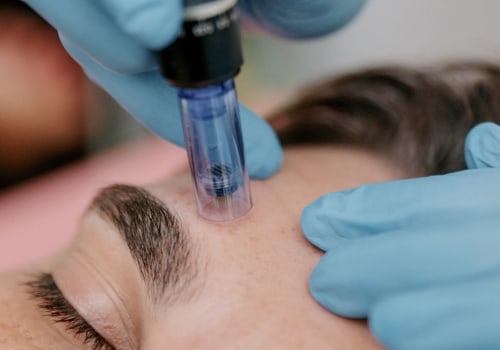
In the quest for youthful skin, exosomes have emerged as a revolutionary component in the field of dermatology.These tiny vesicles, secreted by cells, play a crucial role in cell communication and regeneration, making them a powerful ally in skin rejuvenation.One of the primary benefits of exosomes is their ability to facilitate the repair of damaged skin cells. When applied topically or injected, exosomes deliver a rich array of growth factors, proteins, and genetic material directly to the target cells. This process not only accelerates healing but also stimulates collagen production, which is essential for maintaining skin elasticity and firmness.
Anti-Aging Benefits of Exosomes
- Enhanced Cell Regeneration: Exosomes promote the proliferation of fibroblasts, the cells responsible for producing collagen and elastin. This leads to a more youthful appearance as fine lines and wrinkles diminish.
- Reduction of Inflammation: Chronic inflammation is a significant contributor to skin aging.
Exosomes possess anti-inflammatory properties that help soothe irritated skin and reduce redness, resulting in a more even complexion.
- Improved Skin Texture: By encouraging cellular turnover and repair, exosomes can enhance overall skin texture, making it smoother and more radiant.
Their multifaceted benefits—from repairing damaged cells to reducing inflammation—make them an invaluable tool in modern dermatological treatments. As research continues to unfold, the potential applications of exosomes in enhancing skin health are bound to expand even further.
Reducing Inflammation: The Anti-Inflammatory Properties of Exosomes
Chronic inflammation is increasingly recognised as a significant contributor to various health issues, including autoimmune diseases, cardiovascular conditions, and even certain cancers. The ability of exosomes to mitigate inflammation presents a promising avenue for treatment and overall health enhancement.Exosomes are small extracellular vesicles that facilitate intercellular communication. They carry proteins, lipids, and genetic material from one cell to another, playing a crucial role in modulating immune responses.By delivering these bioactive molecules, exosomes can effectively influence the behaviour of recipient cells, promoting healing and reducing inflammation.
Mechanisms of Action
- Regulation of Immune Cells: Exosomes can modulate the activity of various immune cells, including macrophages and T-cells. They help shift the immune response from a pro-inflammatory state to an anti-inflammatory one, thereby reducing chronic inflammation.
- Delivery of Anti-Inflammatory Factors: Exosomes are rich in anti-inflammatory cytokines and growth factors. When introduced into the body, they can enhance the production of these beneficial molecules, further aiding in the reduction of inflammation.
- Cellular Repair: By promoting cellular repair mechanisms, exosomes can help restore normal function to damaged tissues that may be contributing to chronic inflammation.
A well-functioning immune system is essential for combating infections and maintaining overall health. Exosomes can enhance immune responses by:
- Stimulating Immune Cell Proliferation: Exosomes can encourage the proliferation of lymphocytes, which are crucial for adaptive immunity.
- Enhancing Antigen Presentation: By improving the ability of antigen-presenting cells to display foreign antigens, exosomes can boost the effectiveness of the immune response.
- Balancing Immune Responses: They help maintain a balance between pro-inflammatory and anti-inflammatory signals, ensuring that the immune system responds appropriately without becoming overactive.
Exosomes in Joint Health: Alleviating Pain and Promoting Recovery
Exosomes have emerged as a revolutionary approach in the realm of joint health, particularly for those suffering from chronic pain and injuries.These nano-sized vesicles, secreted by various cells, play a crucial role in cell communication and regeneration, making them a promising candidate for treating joint-related ailments.One of the primary benefits of exosome therapy is its ability to alleviate joint pain. Chronic conditions such as osteoarthritis and rheumatoid arthritis often lead to inflammation and degeneration of joint tissues. Exosomes contain a rich array of growth factors, cytokines, and proteins that can modulate inflammatory responses and promote healing. By injecting exosomes directly into the affected joint, patients may experience significant reductions in pain and swelling.Moreover, exosomes facilitate the repair of damaged tissues.
When joints are injured, whether through trauma or degenerative diseases, the body’s natural healing processes can be insufficient. Exosomes enhance the regeneration of cartilage and other connective tissues by delivering essential nutrients and signalling molecules to the site of injury. This targeted approach not only accelerates recovery but also improves overall joint function.In addition to pain relief and tissue repair, exosome therapy can also strengthen the immune response in the joints. A robust immune system is vital for combating infections that can exacerbate joint issues.
By enhancing immune function, exosomes help prevent complications that may arise from joint injuries or chronic conditions.For individuals seeking alternatives to traditional treatments such as corticosteroids or surgery, exosome therapy presents a less invasive option with fewer side effects. Clinical studies have shown promising results, with many patients reporting improved mobility and quality of life following treatment.In summary, the application of exosomes in joint health represents a significant advancement in regenerative medicine. Their multifaceted benefits—ranging from pain relief to enhanced recovery—make them an invaluable tool for those struggling with joint pain and injuries. As research continues to unfold, we can expect to see even more innovative uses for exosomes in promoting joint health and overall well-being.
Nutritional Support: How Exosomes Deliver Essential Nutrients to Cells
Exosomes play a pivotal role in the intricate web of cellular communication, acting as vital messengers that facilitate the transfer of essential nutrients to cells.These nano-sized vesicles, secreted by various cell types, are rich in proteins, lipids, and nucleic acids, making them crucial for maintaining cellular health and function.One of the primary functions of exosomes is their ability to deliver nutrients directly to target cells. This nutrient delivery system is particularly important in the context of cellular nutrition, where the availability of essential compounds can significantly influence cellular behaviour and overall health. By encapsulating vital nutrients, exosomes ensure that these substances are protected from degradation and can be efficiently transported across cellular membranes.
Key Nutrients Delivered by Exosomes
- Proteins: Exosomes contain a variety of proteins that can modulate cellular processes, including growth factors that promote cell survival and regeneration.
- Lipids: These vesicles are rich in bioactive lipids that play a role in cell membrane integrity and signalling pathways.
- Nucleic Acids: Exosomes carry microRNAs and mRNAs that can influence gene expression, thereby impacting cellular function and health.
By harnessing the natural properties of exosomes, researchers are exploring innovative treatments for various health conditions. This includes enhancing wound healing, improving recovery from injuries, and even combating age-related degeneration.In summary, exosomes serve as a sophisticated delivery system for essential nutrients that are vital for cellular health. Their ability to transport proteins, lipids, and nucleic acids not only supports individual cells but also promotes overall health benefits through enhanced tissue function and immune modulation. As research continues to unveil the full potential of exosome therapy, it is clear that these tiny vesicles hold significant promise for advancing our understanding of cellular nutrition and health.
Exosome Therapy: What to Expect and Potential Risks
Exosome therapy is an innovative approach that harnesses the regenerative properties of exosomes to promote healing and rejuvenation.As with any medical treatment, understanding the process and potential risks is crucial for anyone considering this therapy.
Understanding the Exosome Therapy Process
The exosome therapy process typically begins with the collection of stem cells from a donor, which can be sourced from various tissues, including adipose (fat) tissue or bone marrow. These stem cells are then cultured in a laboratory setting, where they naturally release exosomes into the surrounding environment. The exosomes are subsequently isolated and purified for therapeutic use.Once prepared, the exosomes can be administered through various methods, depending on the specific health condition being treated. Common administration routes include:
- Intravenous (IV) infusion: This method allows for systemic distribution of exosomes throughout the body.
- Local injections: For targeted treatment, exosomes can be injected directly into affected areas, such as joints or damaged tissues.
- Topical application: In some cases, exosomes may be incorporated into creams or serums for skin rejuvenation.
What to Expect from Exosome Therapy
Most treatments are outpatient procedures, meaning patients can return home shortly after receiving therapy. While individual experiences may vary, many report improvements in their condition within weeks following treatment.It is essential to have realistic expectations regarding the outcomes of exosome therapy. While many individuals experience significant benefits, results can vary based on factors such as age, overall health, and the specific condition being treated.
Potential Risks and Considerations
A thorough evaluation will help ensure that this cutting-edge treatment aligns with your health goals and expectations.
Future Directions: The Emerging Research on Exosomes and Health Benefits
The field of exosome research is rapidly evolving, with scientists and medical professionals exploring innovative applications that extend far beyond their initial uses. As we delve into the future of exosome therapy, it becomes evident that the potential health benefits are vast and varied, paving the way for groundbreaking treatments across multiple disciplines.One of the most promising areas of research involves the use of exosomes in cancer therapy. Recent studies suggest that exosomes can be engineered to deliver targeted therapies directly to cancer cells, minimising damage to surrounding healthy tissue. This targeted approach not only enhances the efficacy of treatment but also reduces side effects commonly associated with traditional cancer therapies.Researchers are investigating how exosomes can be used to carry chemotherapeutic agents or even genetic material that can alter the behaviour of cancer cells.Another exciting direction is the role of exosomes in neurodegenerative diseases. Conditions such as Alzheimer’s and Parkinson’s disease are characterised by the accumulation of toxic proteins in the brain. Emerging research indicates that exosomes may facilitate the clearance of these proteins, potentially slowing disease progression. By harnessing the natural properties of exosomes, scientists hope to develop therapies that enhance neuronal health and function.Moreover, exosomes are being studied for their potential in cardiovascular health.
They play a crucial role in cell communication and can influence processes such as inflammation and tissue repair. Future research may uncover how exosome-based therapies can promote heart regeneration following myocardial infarction or improve outcomes in patients with chronic heart conditions.As we look ahead, it is essential to consider the implications of personalised medicine in exosome therapy. The ability to isolate and analyse a patient’s own exosomes could lead to tailored treatments that address individual health needs more effectively. This personalised approach not only enhances treatment efficacy but also aligns with the growing trend towards precision medicine.In conclusion, the future of exosome research is bright, with numerous avenues yet to be explored.
As scientists continue to unlock the mysteries surrounding these tiny vesicles, we can anticipate a new era of innovative therapies that harness their unique properties for improved health outcomes across a spectrum of diseases.
Frequently Asked Questions About Exosomes and Their Benefits
As interest in exosomes continues to grow, many individuals have questions regarding their function and the potential health benefits they offer. Below, we address some of the most frequently asked questions about exosomes to provide clarity and enhance understanding.What are exosomes?
Exosomes are small extracellular vesicles that are secreted by various cell types. They play a crucial role in cell communication by transporting proteins, lipids, and genetic material between cells. This process is essential for maintaining cellular homeostasis and facilitating intercellular communication.How do exosomes contribute to health?
The health benefits of exosomes stem from their ability to influence cellular behaviour.They can:
- Reduce inflammation: Exosomes contain anti-inflammatory molecules that can help mitigate chronic inflammation, which is linked to numerous health issues.
- Enhance tissue repair: By delivering growth factors and other regenerative signals, exosomes can promote healing in damaged tissues.
- Support immune function: Exosomes can modulate immune responses, helping to strengthen the body’s defence mechanisms against infections.
- Facilitate cellular regeneration: They play a role in the regeneration of cells, which is particularly beneficial in regenerative medicine.
Are there any side effects associated with exosome therapy?
Exosome therapy is generally considered safe, with minimal side effects reported. However, as with any medical treatment, individual responses may vary. It is essential to consult with a healthcare professional before undergoing any form of therapy involving exosomes.Can exosomes be used for anti-aging purposes?
Yes, exosomes have shown promise in anti-aging treatments. Their ability to rejuvenate skin cells and promote collagen production can lead to improved skin texture and reduced signs of aging.Many skincare products now incorporate exosome technology to harness these benefits.In summary, understanding the role of exosomes in health can empower individuals to make informed decisions about their wellness. As research continues to unfold, the potential applications of exosome therapy are likely to expand, offering new avenues for enhancing health and vitality.
Conclusion: Embracing the Power of Exosomes for Better Health
In conclusion, the exploration of exosomes reveals a remarkable frontier in health and wellness that is both promising and transformative. Throughout this article, we have delved into the multifaceted roles that exosomes play in various biological processes, highlighting their potential to revolutionise modern medicine.One of the most significant aspects of exosomes is their ability to facilitate communication between cells. This intercellular dialogue is crucial for maintaining homeostasis and promoting healing.By harnessing the power of exosomes, we can potentially enhance regenerative therapies, offering new hope for individuals suffering from chronic conditions or age-related ailments.Moreover, the anti-inflammatory properties of exosomes cannot be overstated. Chronic inflammation is a silent epidemic that contributes to numerous health issues, including cardiovascular diseases, diabetes, and autoimmune disorders. By utilising exosome therapy, we may be able to mitigate these inflammatory responses, leading to improved overall health and quality of life.Additionally, the role of exosomes in skin rejuvenation has garnered significant attention. Their ability to repair damaged skin cells and promote collagen production positions them as a powerful ally in the quest for youthful skin.
As more individuals seek non-invasive solutions for skin care, exosome-based treatments are likely to become increasingly popular.Furthermore, the immune-boosting capabilities of exosomes present an exciting avenue for enhancing our body’s natural defence mechanisms. In a world where infectious diseases are a constant threat, strengthening our immune response through exosome therapy could be a game-changer.As we embrace the potential of exosomes, it is essential to remain informed about ongoing research and advancements in this field. The future of health may very well hinge on our understanding and application of these tiny yet powerful vesicles. By integrating exosome therapy into our health regimens, we can unlock a myriad of benefits that promote not only longevity but also vitality.In summary, the power of exosomes extends far beyond mere scientific curiosity; it represents a pivotal shift towards more effective and holistic approaches to health care.
As we continue to uncover their secrets, let us remain open to the possibilities they offer for better health and well-being.