Exosomes are tiny extracellular vesicles that play a crucial role in cell communication and the transfer of molecular signals between cells. These nano-sized particles are secreted by various cell types and contain proteins, lipids, and nucleic acids that can influence the behaviour of recipient cells. In recent years, exosomes have gained significant attention in the field of regenerative medicine due to their remarkable ability to promote healing and tissue regeneration. Their natural origin and biocompatibility make them an attractive option for therapeutic applications, particularly in the context of exosome therapy.The healing process facilitated by exosomes is multifaceted.
When introduced into the body, exosomes can enhance cellular repair mechanisms, modulate inflammation, and stimulate the regeneration of damaged tissues. This is particularly beneficial for individuals suffering from chronic conditions or injuries where traditional healing methods may fall short. By harnessing the power of exosomes, medical professionals can potentially accelerate recovery times and improve overall patient outcomes.Understanding the timeline for seeing results from exosome treatments is essential for patients considering this innovative therapy. While some may experience noticeable improvements shortly after treatment, others might require more time for their bodies to respond fully.
Factors such as age, health status, and the specific condition being treated can all influence how quickly one might see results. Therefore, it is vital to approach exosome therapy with realistic expectations and a commitment to the healing journey.As we delve deeper into the specifics of exosome therapy, we will explore not only when patients can expect to see results but also how these remarkable vesicles contribute to the body’s natural healing processes. By understanding the science behind exosomes and their therapeutic potential, patients can make informed decisions about their treatment options and embrace a path towards enhanced health and well-being.
What Are Exosomes?
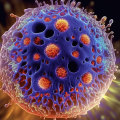
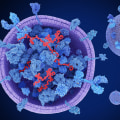
Exosomes are small, membrane-bound vesicles that play a crucial role in intercellular communication. They are typically between 30 to 150 nanometers in diameter and are secreted by various cell types into the extracellular environment.These tiny structures are formed within the endosomal system of cells and are released when multivesicular bodies fuse with the plasma membrane.
Definition of Exosomes
In simple terms, exosomes can be defined as extracellular vesicles that carry proteins, lipids, and nucleic acids from one cell to another. This transfer of molecular information is vital for numerous biological processes, including immune responses, tissue repair, and cellular homeostasis. The composition of exosomes can vary significantly depending on the cell type from which they originate and the physiological or pathological state of those cells.
Functions of Exosomes
The primary function of exosomes is to facilitate communication between cells. They achieve this by delivering their cargo—such as proteins, RNA, and other biomolecules—to target cells, thereby influencing their behaviour.
This process is essential for:
- Cell Signalling: Exosomes can modulate the activity of recipient cells by transferring signalling molecules that can alter gene expression or cellular function.
- Immune Response: They play a significant role in immune modulation by presenting antigens to immune cells or carrying immunosuppressive factors that can help regulate inflammation.
- Tissue Repair: Exosomes derived from stem cells have been shown to promote tissue regeneration and repair by delivering growth factors and other regenerative signals.
- Pathological Processes: In diseases such as cancer, exosomes can carry oncogenic factors that promote tumour growth and metastasis, highlighting their dual role in health and disease.
How Exosome Therapy Works
Exosome therapy is an innovative treatment that harnesses the power of exosomes—tiny vesicles secreted by cells that play a crucial role in intercellular communication. These vesicles are rich in proteins, lipids, and genetic material, which facilitate the transfer of information between cells, thereby promoting healing and regeneration.The mechanism of action of exosome therapy primarily revolves around their ability to modulate the body’s natural healing processes. When exosomes are introduced into the body, they interact with target cells and tissues, delivering essential signals that can enhance cellular function.This process can be broken down into several key steps:
- Cellular Communication: Exosomes act as messengers, carrying molecular signals that instruct recipient cells on how to respond to injury or disease. This communication is vital for coordinating the body’s repair mechanisms.
- Regenerative Properties: The contents of exosomes include growth factors and cytokines that stimulate cell proliferation and differentiation. This is particularly beneficial in areas requiring tissue repair, such as skin or cartilage.
- Anti-Inflammatory Effects: Exosomes can help modulate inflammation by delivering anti-inflammatory signals to affected areas. This reduces swelling and pain, creating a more conducive environment for healing.
- Immune Modulation: By influencing immune responses, exosomes can help balance the body’s reaction to injury or disease, ensuring that healing occurs without excessive inflammation or scarring.
These exosomes are then purified and prepared for administration. Depending on the condition being treated, exosome therapy can be delivered through various methods, including injections directly into affected areas or intravenous infusion.Once administered, the exosomes circulate throughout the body, seeking out damaged tissues and initiating the healing process. Patients may start to notice improvements in their condition as early as a few weeks post-treatment, although optimal results often manifest over several months as the body continues to regenerate and repair itself.In summary, understanding how exosome therapy works provides valuable insight into its potential benefits. By leveraging the natural regenerative capabilities of exosomes, this therapy offers a promising avenue for enhancing healing and improving overall health outcomes.
Timeline for Results: When to Expect Changes
Understanding the timeline for results from exosome treatments is crucial for anyone considering this innovative therapy.While many patients are eager to see improvements, it’s important to recognise that the effects of exosomes can vary significantly based on individual circumstances.Typically, patients may begin to notice changes within a few weeks following their initial treatment. However, the most substantial results often manifest between six to eight weeks post-procedure. During this period, the body is actively engaging in its natural healing processes, aided by the regenerative properties of exosomes.Several factors can influence how quickly one might see results:
- Individual Health Status: A patient’s overall health and pre-existing conditions can impact recovery time. Those in better health may experience faster results.
- Age: Younger individuals often have more robust healing capabilities, which can lead to quicker visible improvements compared to older patients.
- Treatment Area: The specific area being treated also plays a role.
For instance, facial treatments may show results sooner than those targeting deeper tissues.
- Severity of Condition: The extent of the issue being addressed can affect the timeline. More severe conditions may require additional time for noticeable changes.
Patience is key as your body works to regenerate and heal effectively with the help of exosomes.
Factors Influencing Results from Exosome Treatments
When considering the effectiveness of exosome treatments, it is essential to recognise that various factors can significantly influence the speed and quality of results. Understanding these factors not only helps in managing patient expectations but also aids in optimising treatment outcomes.Age and Its Impact on Healing
One of the most critical factors affecting the results from exosome therapies is the patient's age. As individuals age, their body's natural regenerative capabilities tend to decline. This reduction in healing efficiency can lead to slower recovery times and less pronounced results from treatments.Younger patients often experience quicker and more noticeable improvements due to their more robust cellular activity and better overall health. In contrast, older patients may require additional time for the body to respond effectively to exosome therapy.
General Health Status
The overall health of a patient plays a pivotal role in determining how quickly they will see results from exosome treatments. Individuals with pre-existing health conditions, such as diabetes or autoimmune disorders, may experience delayed healing processes. These conditions can interfere with the body’s ability to regenerate tissues and respond to therapies effectively.Conversely, patients who maintain a healthy lifestyle, including a balanced diet, regular exercise, and adequate hydration, are likely to experience enhanced healing and faster results.
Severity of the Condition Being Treated
The specific condition being addressed through exosome therapy also influences the timeline for visible results. For instance, patients seeking treatment for mild skin issues may notice improvements within weeks, while those addressing more severe conditions may require several months before experiencing significant changes. The complexity of the condition often dictates how effectively the body can utilise the benefits provided by exosomes.Follow-Up Treatments
Another important aspect to consider is the role of follow-up treatments. Regularly scheduled sessions can enhance the effects of initial therapies and promote more rapid healing.Patients who adhere to their treatment plans and attend follow-up appointments as recommended by their healthcare providers are likely to see improved outcomes over time.In summary, while exosome treatments offer promising results for various conditions, factors such as age, general health status, severity of the condition, and adherence to follow-up care all play crucial roles in determining how quickly and effectively these results manifest. By understanding these elements, patients can better navigate their treatment journey and set realistic expectations for their recovery process.
Patient Experiences: What to Expect After Treatment
Patients who have undergone exosome therapy often share transformative experiences that highlight the potential of this innovative treatment. Understanding what to expect post-treatment can help set realistic expectations and foster a sense of reassurance.Many individuals report noticeable changes within a few weeks following their initial treatment. For instance, one patient noted, "I started to see improvements in my skin texture and tone about three weeks after my first session.It was subtle at first, but I could feel my skin becoming more hydrated and plump." This aligns with the general timeline for exosome therapy, where initial results may begin to manifest as the body starts to regenerate tissues.As time progresses, patients often experience a more significant enhancement in their overall condition. A common sentiment among those who have received exosome injections is the gradual yet steady improvement in their symptoms. Another patient shared, "By the two-month mark, I noticed a significant reduction in fine lines and an overall glow to my skin that I hadn’t seen in years." This reflects the cumulative effect of exosomes as they stimulate collagen and elastin production.However, it is essential to acknowledge that individual experiences can vary widely based on several factors:
- Age: Younger patients may notice quicker results due to more robust healing processes.
- Health Status: Those with underlying health conditions might experience a slower response.
- Treatment Area: Different areas of the body may respond at different rates; for example, facial treatments might yield faster visible results compared to joint therapies.
A patient recounted, "I was pleasantly surprised by how minimal the downtime was. I returned to my normal activities almost immediately after treatment." This ease of recovery is one of the appealing aspects of exosome therapy.In conclusion, while many patients begin to see results within weeks, the full benefits of exosome therapy often unfold over several months. Continuous follow-up treatments can enhance these outcomes, leading to sustained improvements in skin health and overall well-being. As one patient aptly put it, "Patience is key; the results are worth the wait!" This perspective underscores the importance of allowing time for the body’s natural healing processes to take effect.
Long-Term Benefits of Exosome Therapy
Exosome therapy has emerged as a revolutionary treatment option, particularly in the fields of regenerative medicine and aesthetic enhancement.One of the most compelling aspects of this therapy is its potential for long-term benefits, which can significantly enhance the quality of life for patients seeking sustainable results.When considering the long-term benefits of exosomes , it is essential to understand how these cellular messengers work. Exosomes facilitate communication between cells, promoting healing and regeneration by delivering proteins, lipids, and genetic material that can influence cellular behaviour. This mechanism not only aids in immediate recovery but also sets the stage for prolonged improvements.
Durability of Treatment Effects
The durability of treatment effects from exosome therapy can vary based on several factors, including the individual’s health status, age, and the specific condition being treated. However, many patients report sustained improvements that can last from six months to two years following their initial treatment.This longevity is attributed to the body’s natural healing processes being activated by the exosomes, which continue to promote tissue repair and regeneration long after the initial injection.
- Skin Health: Patients often experience enhanced skin texture and tone, with a noticeable reduction in fine lines and wrinkles. The collagen and elastin production stimulated by exosomes contributes to a youthful appearance that can endure over time.
- Joint Function: For those receiving exosome therapy for joint issues, such as arthritis or injuries, many find that their mobility and pain levels improve significantly. These benefits can persist as the body continues to heal.
- Overall Well-being: Beyond physical improvements, patients frequently report enhanced energy levels and a better quality of life, which can be attributed to the holistic healing properties of exosomes.
By understanding the mechanisms behind exosome therapy and committing to a comprehensive treatment plan, patients can enjoy lasting improvements in their health and well-being.
FAQs About Exosomes and Treatment Results
When considering exosome therapy, many patients have questions regarding the treatment process and the timeline for seeing results. Below are some of the most frequently asked questions that can help clarify what to expect.What are exosomes and how do they work?
Exosomes are small extracellular vesicles secreted by cells that play a crucial role in cell communication. They contain proteins, lipids, and genetic material that can influence the behaviour of other cells. In therapeutic applications, exosomes derived from stem cells are used to promote healing and regeneration by delivering these beneficial molecules to damaged tissues.How long does it take to see results from exosome therapy?
The timeline for observing results from exosome therapy can vary significantly among individuals.Generally, patients may start noticing improvements within three weeks to three months after their initial treatment. However, the full benefits often manifest over a longer period as the body continues to heal and regenerate.
What factors influence the speed of results?
- Individual Health: A patient’s overall health and age can impact how quickly they respond to treatment.
- Severity of Condition: More severe conditions may require additional time for noticeable improvements.
- Treatment Area: Different areas of the body may respond at different rates due to varying tissue types and healing capacities.
Are there any side effects associated with exosome therapy?
While exosome therapy is generally considered safe, some patients may experience mild side effects such as swelling, redness, or discomfort at the injection site. These symptoms typically resolve within a few days. It is essential to discuss any concerns with your healthcare provider prior to treatment.How long do the results last?
The effects of exosome therapy can last anywhere from six months to two years, depending on various factors including the individual’s health status and adherence to follow-up treatments.Regular consultations with your healthcare provider can help optimise and maintain results over time.If you have further questions about exosomes or how they can benefit your specific condition, it is advisable to consult with a qualified healthcare professional who can provide tailored information based on your needs.
Conclusion: Key Takeaways on Exosome Treatment Results
In summary, understanding the timeline for seeing results from exosome treatments is crucial for managing expectations and optimising outcomes. While many patients may begin to notice improvements within a few weeks, the full benefits typically manifest over a period of three to six months. This gradual progression is due to the body’s natural healing processes, which require time to regenerate and repair tissues effectively.Several factors can influence how quickly results are observed:- Individual Health Status: A patient’s overall health, including pre-existing conditions and lifestyle choices, can significantly impact recovery time. Those in better health may experience faster results.
- Age: As we age, our bodies may respond differently to treatments.
Younger individuals often have more robust healing capabilities, potentially leading to quicker visible improvements.
- Treatment Area: The specific area being treated can also affect the timeline. For instance, facial treatments may show results sooner than those targeting deeper tissues.
- Severity of Condition: The extent of the condition being treated plays a role; more severe issues may require additional time for noticeable changes.
While initial improvements may be subtle, many patients report significant enhancements in skin texture, tone, and overall health as the weeks progress. With continued care and adherence to recommended follow-up treatments, the benefits of exosome therapy can last for several months, and in some cases, even up to two years.In conclusion, understanding the timeline and factors affecting results from exosome treatments empowers patients to approach their healing journey with realistic expectations and optimism.