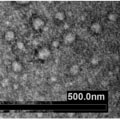
Exosomes are small extracellular vesicles that play a crucial role in intercellular communication. These nano-sized particles, typically ranging from 30 to 150 nanometers in diameter, are secreted by various cell types and are found in numerous biological fluids, including blood, urine, and saliva. Their significance lies in their ability to transport a diverse array of biomolecules, such as proteins, lipids, and nucleic acids, which can influence the behaviour of recipient cells. This unique capability positions exosomes as vital players in numerous physiological and pathological processes.At their core, exosomes are formed through a complex process known as endocytosis.
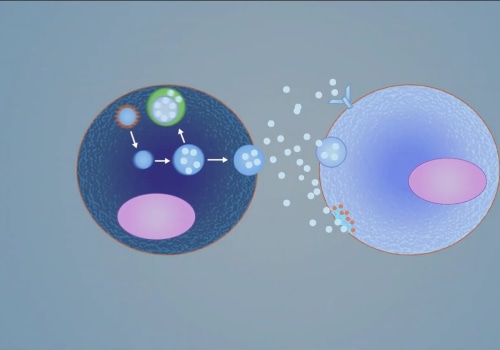
During this process, a portion of the cell membrane invaginates to engulf extracellular material, leading to the formation of multivesicular bodies (MVBs). These MVBs then fuse with the plasma membrane, releasing exosomes into the extracellular space. The contents of these exosomes reflect the physiological state of their parent cells, making them valuable indicators of cellular health and function.The functions of exosomes extend far beyond mere cellular waste disposal; they are instrumental in mediating communication between cells. By transferring their cargo to target cells, exosomes can modulate various biological processes, including immune responses, tissue repair, and even cancer progression.
This ability to influence cellular behaviour makes exosomes a focal point of research in regenerative medicine and therapeutic applications.Understanding the role of exosomes is particularly important when considering their potential in carrying growth factors. These growth factors are essential proteins that stimulate cellular growth, proliferation, and differentiation. By encapsulating and delivering these molecules directly to target cells, exosomes can enhance tissue regeneration and repair mechanisms. As we delve deeper into the world of exosomes, it becomes clear that they hold immense promise for advancing medical treatments and improving health outcomes.
What Are Exosomes?
Exosomes are small extracellular vesicles that play a pivotal role in intercellular communication.They are typically 30 to 150 nanometers in diameter and are composed of a lipid bilayer, which encapsulates a variety of biomolecules, including proteins, lipids, and nucleic acids. This unique structure allows exosomes to protect their cargo from degradation, facilitating the targeted delivery of these molecules to recipient cells.The biogenesis of exosomes is a complex process that begins within the endosomal system of the cell. Initially, the inward budding of the plasma membrane forms early endosomes. These early endosomes can mature into late endosomes or multivesicular bodies (MVBs).
During this maturation process, intraluminal vesicles (ILVs) are formed within the MVBs. Eventually, these MVBs can either fuse with lysosomes for degradation or with the plasma membrane to release exosomes into the extracellular space.There are several types of exosomes, classified based on their cellular origin and functional roles:
- Microvesicles: These are larger vesicles that bud directly from the plasma membrane and can vary in size from 100 to 1000 nanometers.
- Apoptotic bodies: Formed during programmed cell death, these vesicles contain cellular debris and can influence immune responses.
- Exosomes: The focus of this discussion, exosomes are specifically derived from MVBs and are known for their role in mediating communication between cells.
As research continues to uncover the complexities of these vesicles, their potential applications in therapeutic settings become increasingly promising.
The Role of Exosomes in Cellular Communication
Exosomes play a pivotal role in cellular communication, acting as vital mediators in the intricate network of intercellular signaling. These nanoscale vesicles, typically ranging from 30 to 150 nanometers in diameter, are secreted by various cell types and are involved in the transfer of a diverse array of biomolecules, including proteins, lipids, and nucleic acids. This transfer is crucial for maintaining homeostasis and facilitating communication between cells.One of the primary functions of exosomes is to enable intercellular signaling. They carry specific cargo that can influence the behaviour of recipient cells.For instance, when exosomes are released into the extracellular space, they can be taken up by nearby or distant cells, delivering their molecular contents and triggering various biological responses. This process is essential for numerous physiological functions, including immune responses, tissue repair, and even the progression of diseases.The mechanisms by which exosomes facilitate communication are multifaceted. Upon fusion with the target cell membrane, exosomes release their contents into the cytoplasm of the recipient cell. This can lead to alterations in gene expression, modulation of cellular pathways, and changes in cellular behaviour.
For example, exosomes derived from mesenchymal stem cells (MSCs) have been shown to promote healing and regeneration by delivering growth factors that stimulate cell proliferation and migration.Moreover, exosomes are not merely passive carriers; they actively participate in the regulation of various biological processes. They can modulate immune responses by transferring immunomodulatory molecules that either enhance or suppress immune activity. This property has significant implications for therapeutic applications, particularly in regenerative medicine and cancer treatment.In summary, exosomes serve as critical players in cell communication, influencing a wide range of biological processes through their ability to transfer bioactive molecules between cells. Understanding these mechanisms not only sheds light on fundamental biological functions but also opens new avenues for therapeutic interventions aimed at harnessing the power of exosomes for improved health outcomes.
Exosomes and Growth Factors: An Overview
Exosomes, the nanoscale extracellular vesicles secreted by various cell types, have emerged as pivotal players in intercellular communication.One of the most intriguing aspects of exosomes is their ability to carry a diverse array of biomolecules, including growth factors. These growth factors are crucial for numerous biological processes, including cell proliferation, differentiation, and tissue repair.Research has shown that exosomes derived from mesenchymal stem cells (MSCs) are particularly rich in growth factors. These factors include, but are not limited to:
- Vascular Endothelial Growth Factor (VEGF) : Promotes angiogenesis, the formation of new blood vessels, which is essential for tissue regeneration.
- Transforming Growth Factor-beta (TGF-β) : Plays a significant role in cell growth and differentiation, particularly in fibroblasts and epithelial cells.
- Fibroblast Growth Factor (FGF) : Involved in wound healing and tissue repair by stimulating the proliferation of fibroblasts.
- Platelet-Derived Growth Factor (PDGF) : Important for cell migration and proliferation, especially in the context of healing and regeneration.
- Insulin-like Growth Factor (IGF) : Supports cellular growth and development, influencing metabolic processes.
This targeted delivery mechanism is particularly beneficial in aesthetic medicine, where exosomes can be used to rejuvenate skin and promote hair growth.Moreover, the encapsulation of growth factors within exosomes protects them from degradation, ensuring that they remain bioactive upon reaching their destination. This characteristic makes exosomes an attractive option for developing advanced therapeutic strategies aimed at treating various skin conditions and promoting overall skin health.In summary, exosomes do indeed carry a variety of growth factors, which play a vital role in mediating cellular responses and enhancing tissue regeneration. Understanding the specific types of growth factors present in exosomes can help researchers and clinicians harness their full potential for therapeutic applications.
Sources of Exosomes: Mesenchymal Stem Cells and Beyond
Exosomes are small extracellular vesicles that play a crucial role in intercellular communication, carrying a variety of bioactive molecules, including proteins, lipids, and nucleic acids. Among the various sources of exosomes, mesenchymal stem cells (MSCs) have emerged as a particularly valuable source due to their unique regenerative properties and ability to secrete a rich cargo of growth factors.Mesenchymal stem cells
are multipotent stem cells found in various tissues, including bone marrow, adipose tissue, and umbilical cord.
They possess the remarkable ability to differentiate into multiple cell types, such as osteoblasts, chondrocytes, and adipocytes. This versatility makes them an attractive option for therapeutic applications, particularly in regenerative medicine.One of the key advantages of MSC-derived exosomes is their content. These exosomes are loaded with a diverse array of growth factors, cytokines, and other signaling molecules that can significantly influence cellular behaviour. For instance, they can promote cell proliferation, enhance tissue repair, and modulate immune responses.
The presence of these bioactive molecules allows MSC-derived exosomes to facilitate healing processes in various tissues.In addition to MSCs, exosomes can also be derived from other types of stem cells and even differentiated cells. For example:
- Embryonic Stem Cells (ESCs): These cells have the potential to differentiate into any cell type in the body and produce exosomes that carry factors promoting pluripotency and differentiation.
- Induced Pluripotent Stem Cells (iPSCs): Created from adult somatic cells, iPSCs can also secrete exosomes rich in growth factors that mimic those produced by embryonic stem cells.
- Neural Stem Cells (NSCs): NSCs release exosomes that contain neurotrophic factors beneficial for neuronal survival and regeneration.
Therapeutic Applications of Exosome-Derived Growth Factors
Exosomes, as nanosized extracellular vesicles, have emerged as a pivotal component in the realm of regenerative medicine and skincare.Their ability to carry a diverse array of bioactive molecules, including growth factors, has opened new avenues for therapeutic applications that were previously unattainable.In the field of skincare , exosome-derived growth factors are being harnessed to address various skin concerns. These growth factors play a crucial role in cellular communication and regeneration, making them invaluable in treatments aimed at rejuvenating the skin. For instance, exosomes can stimulate collagen synthesis, which is essential for maintaining skin elasticity and firmness. This is particularly beneficial for individuals seeking to reduce the appearance of fine lines and wrinkles.Moreover, exosomes possess anti-inflammatory properties that can help alleviate conditions such as acne and rosacea.
By modulating the inflammatory response, exosome therapy can promote a healthier skin environment, facilitating faster healing and recovery from skin ailments.In addition to their applications in skincare, exosomes are also being explored in regenerative medicine. Their ability to transfer growth factors directly to target cells enhances tissue repair processes. For example, in orthopaedics, exosome therapy is being investigated for its potential to accelerate healing in injuries such as tendon tears or fractures. The regenerative capabilities of exosomes can significantly improve recovery times and outcomes for patients.Furthermore, the use of exosomes in combination with other therapeutic modalities, such as microneedling or laser treatments, has shown promising results.
When applied during these procedures, exosomes can enhance the absorption of growth factors into the skin, amplifying their effects and leading to more pronounced improvements in skin texture and tone.As research continues to unfold, the therapeutic potential of exosome-derived growth factors is becoming increasingly evident. Their unique properties not only facilitate cellular communication but also provide a natural means of enhancing healing and regeneration across various medical fields. This positions exosome therapy as a revolutionary approach in both aesthetic treatments and broader medical applications.
Exosomes in Aesthetic Treatments: Revolutionising Skincare
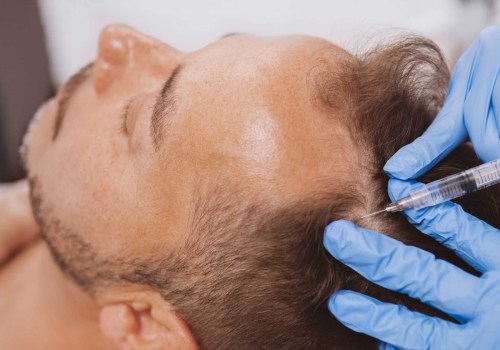
In recent years, the integration of exosomes into aesthetic treatments has marked a significant advancement in skincare, offering innovative solutions for enhancing skin health and appearance. These nano-sized vesicles, secreted by various cells including mesenchymal stem cells (MSCs), are rich in bioactive molecules such as growth factors, proteins, and RNA.Their ability to facilitate intercellular communication makes them a powerful tool in regenerative medicine and aesthetic procedures.One of the most notable applications of exosomes in skincare is their use in microneedling treatments. During this procedure, tiny needles create micro-injuries in the skin, stimulating the body's natural healing response. When combined with exosome therapy, the results can be significantly enhanced. The exosomes deliver essential growth factors directly to the targeted areas, promoting collagen production and accelerating tissue repair.
This synergy not only improves skin texture but also reduces the appearance of fine lines and wrinkles.Another promising application is in laser therapy. Post-treatment, exosomes can be applied to the skin to aid recovery and enhance results. The anti-inflammatory properties of exosomes help to soothe the skin while their regenerative capabilities work to rejuvenate damaged cells. This dual action can lead to a more youthful complexion with reduced downtime compared to traditional methods.The benefits of exosome therapy extend beyond immediate aesthetic improvements.
Regular treatments can lead to long-term enhancements in skin health, including improved elasticity, hydration, and overall radiance. Furthermore, exosomes have been shown to reduce inflammation and promote healing, making them an excellent option for individuals with sensitive or acne-prone skin.As research continues to unveil the full potential of exosomes in aesthetic treatments, it is clear that they represent a revolutionary approach to skincare. By harnessing the natural regenerative properties of these vesicles, practitioners can offer patients advanced solutions that not only address existing concerns but also promote ongoing skin vitality.
Challenges and Considerations in Exosome Research and Application
The field of exosome research and therapy is rapidly evolving, yet it is not without its challenges and limitations. As scientists delve deeper into the potential applications of exosomes, particularly in regenerative medicine and aesthetic treatments, several key issues have emerged that warrant careful consideration.Challenges in Exosome Therapy
One of the primary challenges in exosome therapy is the heterogeneity of exosomes themselves.Exosomes can vary significantly in size, composition, and function depending on their cellular origin and the conditions under which they are produced. This variability can complicate the standardisation of exosome-based therapies, making it difficult to ensure consistent therapeutic outcomes across different patients.Moreover, the delivery mechanisms for exosome therapies are still being refined. While exosomes have shown promise in targeting specific cells and tissues, the methods for effectively administering these nanoparticles remain a topic of ongoing research. Factors such as the route of administration (e.g., intravenous, topical) and the timing of delivery can significantly influence the efficacy of treatment.
Limitations of Exosome Research
Another significant limitation is the lack of comprehensive understanding regarding the mechanisms by which exosomes exert their effects.While it is known that exosomes carry various bioactive molecules, including growth factors and RNA, the precise pathways through which these components interact with recipient cells are not fully elucidated. This gap in knowledge can hinder the development of targeted therapies that maximise the benefits of exosome treatment.Additionally, ethical considerations surrounding the source of exosomes cannot be overlooked. Many exosome therapies are derived from human tissues, raising questions about consent and potential risks associated with their use. Ensuring that all sources are ethically obtained and that patients are fully informed about the nature of their treatment is crucial for maintaining trust in these innovative therapies.
Quality Control of Exosomes
Quality control is another critical aspect that must be addressed in exosome research and application.The purity , concentration, and functional integrity of exosomes are vital for their therapeutic efficacy. Variability in production methods can lead to contamination with unwanted cellular debris or proteins, which may compromise safety and effectiveness.To mitigate these issues, researchers are developing standardised protocols for isolating and characterising exosomes. Techniques such as ultracentrifugation, size exclusion chromatography, and nanopore analysis are being employed to enhance the quality control processes. However, establishing universally accepted guidelines remains a challenge.In conclusion, while the potential of exosomes in therapeutic applications is immense, addressing these challenges is essential for advancing research and ensuring safe and effective treatments.
Continued collaboration among researchers, clinicians, and regulatory bodies will be crucial in overcoming these hurdles and unlocking the full potential of exosome-based therapies.
Future Directions for Exosome Research
The field of exosome research is rapidly evolving, with numerous advancements paving the way for innovative therapeutic applications. As scientists delve deeper into the mechanisms of exosome biology, several promising directions are emerging that could significantly enhance their utility in medicine and aesthetics.1.Enhanced Isolation and Characterization Techniques
One of the critical challenges in exosome research is the efficient isolation and characterization of these nanoparticles. Future advancements may focus on developing more refined techniques that allow for the extraction of exosomes with higher purity and yield. Techniques such as microfluidics and advanced chromatography could play a pivotal role in this area, enabling researchers to obtain exosomes that are not only abundant but also biologically active.
2.Targeted Delivery Systems
Another exciting avenue is the development of targeted delivery systems using exosomes as vehicles for therapeutic agents.
By engineering exosomes to express specific surface markers, researchers can direct them to particular cell types or tissues, enhancing the efficacy of treatments. This targeted approach could revolutionise drug delivery, particularly in oncology, where precision is crucial for minimising side effects while maximising therapeutic outcomes.
3.Exosomes in Regenerative Medicine
The potential of exosomes in regenerative medicine is vast. Future studies may explore their role in tissue engineering and wound healing, leveraging their natural ability to promote cell proliferation and tissue repair. By combining exosome therapy with biomaterials, researchers could create scaffolds that not only support cell growth but also deliver bioactive molecules directly to the site of injury.
4.Understanding Exosomal Cargo
A deeper understanding of the molecular cargo within exosomes—such as proteins, lipids, and nucleic acids—will be crucial for unlocking their full therapeutic potential.
Future research may focus on identifying specific biomarkers within exosomes that correlate with various diseases, paving the way for novel diagnostic tools and personalised medicine approaches.
5.Clinical Applications and Regulatory Frameworks
As the body of evidence supporting the therapeutic benefits of exosomes grows, there will be an increasing need for clinical trials to validate their efficacy across various conditions. Establishing robust regulatory frameworks will be essential to ensure the safe application of exosome-based therapies in clinical settings.In conclusion, the future of exosome research holds immense promise, with advancements poised to transform not only therapeutic strategies but also our understanding of cellular communication and regeneration. As we continue to unravel the complexities of these fascinating nanoparticles, we may witness breakthroughs that redefine treatment paradigms across multiple medical fields.
<strong>Conclusion</strong>
In summary, the exploration of exosomes and their role in carrying growth factors has unveiled a fascinating dimension of cellular communication and regenerative medicine. Throughout this article, we have delved into the intricate mechanisms by which exosomes are produced, their composition, and their significant impact on various biological processes.The key points discussed include:
- Exosome Biogenesis: Exosomes are formed through a complex process involving the internal budding of the plasma membrane, leading to the release of these nano-sized vesicles into the extracellular space.
- Growth Factors and Their Functions: Exosomes are rich in growth factors, cytokines, and RNA, which play crucial roles in modulating cellular behaviour, promoting tissue repair, and enhancing regenerative processes.
- Applications in Aesthetic Medicine: The use of exosomes derived from mesenchymal stem cells (MSCs) in skincare has shown promising results in treating signs of aging, improving skin health, and stimulating hair growth.
- Therapeutic Potential: Beyond aesthetics, exosomes hold potential in various medical fields, including cancer treatment and regenerative therapies, due to their ability to influence cellular communication.
The future of skincare and regenerative medicine may very well hinge on our ability to harness the power of exosomes effectively. By integrating this knowledge into practice, we can pave the way for innovative solutions that enhance health and beauty at a cellular level.