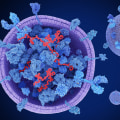
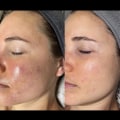
In the ever-evolving world of skincare, exosomes have emerged as a groundbreaking innovation, capturing the attention of both professionals and enthusiasts alike. These tiny extracellular vesicles, which are naturally produced by cells, play a pivotal role in cellular communication and regeneration. By facilitating the transfer of proteins, lipids, and genetic material between cells, exosomes are instrumental in promoting healing and rejuvenation, making them a valuable asset in modern skincare treatments.The significance of exosomes in skincare cannot be overstated. They are particularly renowned for their ability to enhance skin texture, boost collagen production, and improve overall skin health.
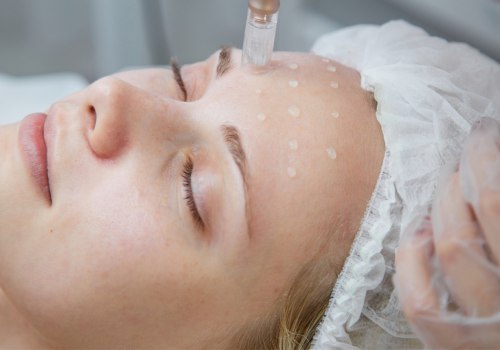
When applied topically during facial treatments, exosomes deliver essential growth factors directly to the skin cells, stimulating a natural healing response. This process not only aids in reducing signs of aging but also helps to combat various skin concerns such as pigmentation, fine lines, and uneven tone.As we delve deeper into the topic of exosomes, it is crucial to understand their longevity on the face. While the immediate effects of exosome treatments can be observed within weeks, the lasting impact on skin quality can extend for months or even years. Factors such as individual skin type, age, and lifestyle choices play a significant role in determining how long these benefits will last.
Therefore, understanding the dynamics of exosome longevity is essential for anyone considering this innovative approach to skincare.In summary, exosomes represent a remarkable advancement in skincare technology. Their ability to facilitate cellular communication and regeneration positions them as a powerful tool for achieving youthful and vibrant skin. As we explore further into their longevity and effectiveness in facial treatments, it becomes clear that exosomes are not just a fleeting trend but a promising solution for long-term skin health.
What Are Exosomes?
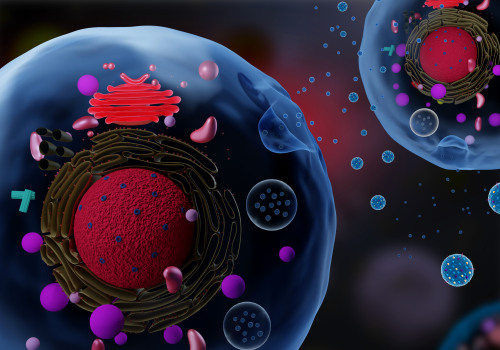
Exosomes are small extracellular vesicles that play a pivotal role in intercellular communication. These nano-sized structures, typically ranging from 30 to 150 nanometers in diameter, are secreted by various cell types and contain a rich cargo of proteins, lipids, and nucleic acids.Their primary function is to facilitate the transfer of molecular information between cells, thereby influencing numerous biological processes.
Definition of Exosomes
In simple terms, exosomes can be defined as membrane-bound vesicles that are released into the extracellular space. They originate from the endosomal system of cells and are formed when multivesicular bodies fuse with the plasma membrane. Once released, exosomes can travel through bodily fluids such as blood, lymph, and interstitial fluid, allowing them to reach distant target cells.
Functions of Exosomes
- Cell Communication: Exosomes serve as messengers that convey signals between cells. They carry bioactive molecules that can modulate the behaviour of recipient cells, influencing processes such as inflammation, immune responses, and tissue repair.
- Regenerative Properties: In the context of skincare and regenerative medicine, exosomes have garnered attention for their ability to promote healing and rejuvenation.
They contain growth factors and cytokines that stimulate cellular regeneration and enhance collagen production.
- Biomarker Potential: Due to their unique composition, exosomes can also act as biomarkers for various diseases. Their analysis can provide insights into pathological conditions and aid in early diagnosis.
Their ability to transfer critical information between cells makes them a focal point in advancing therapeutic strategies, particularly in the realm of skincare.
How Exosomes Work in Skincare Treatments
Exosomes are increasingly recognised in the realm of skincare for their remarkable ability to enhance skin rejuvenation. These tiny extracellular vesicles, which are secreted by various cells, play a pivotal role in cellular communication and regeneration. When applied in skincare treatments, exosomes deliver a concentrated dose of bioactive molecules, including proteins, lipids, and genetic material, directly to target skin cells.One of the primary mechanisms through which exosomes promote skin health is by stimulating collagen production. Collagen is a vital protein that provides structure and elasticity to the skin.As we age, collagen production naturally declines, leading to wrinkles and sagging skin. Exosomes contain growth factors that activate fibroblasts—cells responsible for collagen synthesis—thereby enhancing the skin's firmness and reducing the appearance of fine lines.In addition to boosting collagen levels, exosomes exhibit significant anti-inflammatory properties. Inflammation is a common underlying factor in various skin conditions, including acne, rosacea, and eczema. By modulating inflammatory responses, exosomes help to soothe redness and irritation, promoting a more even skin tone.
This anti-inflammatory action not only aids in healing existing skin issues but also helps prevent future flare-ups.Moreover, exosomes facilitate the regeneration of damaged skin by promoting cell turnover and enhancing the overall texture of the complexion. They encourage the migration of keratinocytes—skin cells essential for barrier function—thereby improving hydration and resilience. This regenerative capability makes exosome treatments particularly beneficial for individuals with sun-damaged or ageing skin.The benefits of incorporating exosomes into skincare treatments extend beyond immediate aesthetic improvements. Regular use can lead to long-term enhancements in skin quality, including increased elasticity and a radiant glow.
As a result, many practitioners recommend exosome therapies as part of a comprehensive skincare regimen.In summary, exosomes serve as powerful agents in skincare treatments by promoting collagen production, reducing inflammation, and facilitating cellular regeneration. Their multifaceted approach not only addresses existing skin concerns but also supports ongoing skin health, making them an invaluable addition to modern cosmetic procedures.
Factors Influencing the Longevity of Exosomes on the Face
The longevity of exosomes on the face is influenced by a variety of factors, each playing a crucial role in determining how effectively these cellular components can rejuvenate the skin. Understanding these factors can help individuals maximise the benefits of their exosome treatments.Skin Type
One of the primary factors affecting the duration of exosome activity is an individual's skin type. Different skin types—such as oily, dry, combination, or sensitive—react uniquely to treatments.For instance, oily skin may retain exosomes longer due to its natural moisture content, while dry skin might absorb them more quickly, potentially leading to a shorter duration of effectiveness. Additionally, those with sensitive skin may experience varying results based on their skin's ability to tolerate and respond to the treatment.
Age
Age is another significant factor that influences how long exosomes last on the face. As we age, our skin undergoes various changes, including decreased collagen production and slower cell turnover rates. Older individuals may find that exosome treatments yield results that last longer due to their enhanced ability to stimulate cellular regeneration.Conversely, younger individuals may experience quicker absorption and a more rapid decline in the visible effects of treatment.
Lifestyle Factors
Lifestyle choices also play a pivotal role in determining the longevity of exosomes on the skin. Factors such as:- Sun Exposure: Prolonged exposure to UV rays can damage skin cells and accelerate the breakdown of exosomes.
- Smoking: Tobacco use can impair blood circulation and reduce oxygen supply to the skin, negatively impacting the effectiveness of exosome treatments.
- Diet: A balanced diet rich in antioxidants can support skin health and prolong the effects of exosome therapy.
- Hydration: Adequate water intake helps maintain skin elasticity and overall health, which can enhance the longevity of treatment results.
Expected Results and Duration of Exosome Treatments
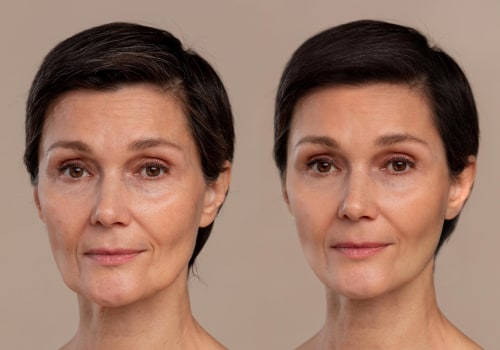
When considering exosome treatments, it is essential for patients to have a clear understanding of the expected results and the duration of these effects. Exosomes, which are tiny vesicles that facilitate cellular communication, play a significant role in skin rejuvenation and regeneration.Their application can lead to noticeable improvements in skin texture, tone, and overall appearance.Typically, patients begin to observe the initial benefits of exosome treatments within two to four weeks post-application. This timeframe can vary based on individual factors such as skin type, age, and overall health. For some, results may manifest sooner, while others might experience a delayed response. The improvements are often gradual, as exosomes work by stimulating the body’s natural healing processes.In terms of longevity, the effects of exosome treatments can last significantly longer than many traditional skincare procedures.
Most patients report that their results endure for approximately six months to a year. However, with proper aftercare and maintenance treatments, some individuals may enjoy the benefits for up to two years. This extended duration is particularly notable when compared to other cosmetic interventions.To maintain optimal results, it is advisable for patients to engage in regular follow-up treatments every six to twelve months. This ongoing care not only helps sustain the initial improvements but also enhances the overall health and vitality of the skin.Moreover, lifestyle factors play a crucial role in determining how long the results last.
Elements such as sun exposure, smoking habits, and skincare routines can significantly influence the longevity of exosome treatment outcomes. For instance, individuals who diligently protect their skin from UV rays and adhere to a consistent skincare regimen may experience prolonged benefits.In summary, while exosome treatments offer promising results that can last from several months to a couple of years, individual experiences will vary. Understanding these timelines can help patients set realistic expectations and make informed decisions about their skincare journey.
Aftercare and Maintenance for Optimal Results
To maximise the benefits of exosome treatments and ensure that the results last as long as possible, proper aftercare and maintenance are essential. Following your treatment, adhering to specific guidelines can significantly enhance the longevity of your skin rejuvenation results.Immediate Aftercare
In the first few days post-treatment, it is crucial to follow these aftercare tips:- Avoid Direct Sunlight: Protect your skin from sun exposure by wearing a broad-spectrum sunscreen with at least SPF 30.
This helps prevent damage and maintains the integrity of the exosomes.
- Skip Harsh Products: Refrain from using exfoliants, retinoids, or any products containing alcohol for at least a week. These can irritate the skin and interfere with the healing process.
- Hydrate: Keep your skin well-hydrated by using a gentle moisturiser. Hydration supports skin recovery and enhances the effects of exosome therapy.
- Avoid Strenuous Activities: For the first 48 hours, avoid intense workouts or activities that cause excessive sweating, as this can lead to irritation.
Long-Term Maintenance
To prolong the results of your exosome treatment, consider incorporating these maintenance practices into your skincare routine:- Regular Follow-Up Treatments: Schedule maintenance sessions every 6 to 12 months. These treatments can help sustain collagen production and skin rejuvenation.
- Healthy Lifestyle Choices: Maintain a balanced diet rich in antioxidants, vitamins, and minerals.
Foods like berries, nuts, and leafy greens can support skin health from within.
- Avoid Smoking and Excessive Alcohol: Both smoking and heavy drinking can accelerate skin aging and diminish the effects of exosome therapies.
- Stay Hydrated: Drink plenty of water daily to keep your skin hydrated and plump, which is vital for maintaining youthful skin.
Comparing Exosome Treatments with Other Skincare Options
When considering skincare treatments, it is essential to evaluate the various options available, particularly exosome treatments, microneedling, and laser therapy. Each of these methods offers unique benefits and can cater to different skin concerns.Exosome Treatments
- Exosomes are small vesicles that facilitate cellular communication and deliver essential growth factors directly to skin cells.
- They promote collagen and elastin production, leading to improved skin texture, firmness, and hydration.
- Exosome treatments are known for their anti-inflammatory properties, which help soothe redness and accelerate healing.
- The results from exosome therapy can last several months to a year, depending on individual factors such as skin type and lifestyle.
Microneedling
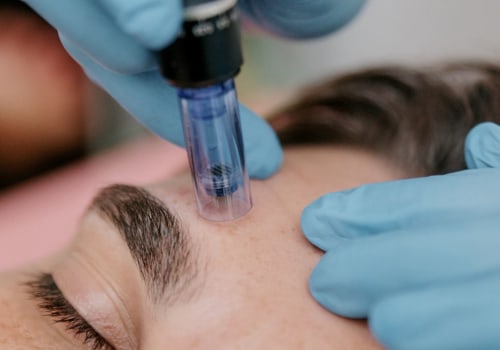
- This technique involves creating tiny punctures in the skin using fine needles, which stimulates the body’s natural healing process.
- Microneedling enhances the absorption of topical products, including exosomes, making it a complementary treatment.
- While it can improve skin texture and reduce the appearance of scars, results typically require multiple sessions and may take longer to manifest compared to exosome treatments.
Laser Therapy
- Laser treatments use focused light energy to target specific skin concerns such as pigmentation, wrinkles, and vascular lesions.
- This method can provide immediate results but often comes with downtime due to potential redness and swelling.
- While effective for certain conditions, laser therapy may not offer the same regenerative benefits as exosomes in terms of overall skin health.
Frequently Asked Questions About Exosomes in Skincare
As the popularity of exosomes in skincare continues to rise, many individuals have questions regarding their use, effectiveness, and safety. Below are some frequently asked questions that can help clarify common concerns about exosome treatments.- What are exosomes?
Exosomes are tiny extracellular vesicles that facilitate communication between cells.They carry proteins, lipids, and genetic material that can influence cellular behaviour, making them valuable in regenerative medicine and skincare.
- How do exosomes benefit the skin?
Exosomes promote skin rejuvenation by delivering growth factors directly to skin cells. This process stimulates collagen and elastin production, enhancing skin texture, firmness, and hydration while also reducing inflammation. - How long do the effects of exosome treatments last?
The results from exosome treatments can vary significantly based on individual factors such as skin type, age, and lifestyle. Generally, improvements in skin quality can last from six months to a year, with some patients experiencing benefits for up to two years with proper maintenance. - Are there any side effects associated with exosome treatments?
Exosome treatments are typically well-tolerated. Since they are applied topically, patients usually do not experience redness or swelling.However, as with any cosmetic procedure, it is essential to consult with a qualified professional to discuss potential risks.
- Can exosome therapy be combined with other treatments?
Yes, exosome therapy can be effectively combined with other cosmetic procedures such as microneedling, laser treatments, and radiofrequency therapy. This combination can enhance the overall results by maximising skin rejuvenation benefits. - How often should I undergo exosome treatments?
To maintain optimal results, it is generally recommended to have follow-up treatments every six to twelve months. However, the exact frequency may vary based on individual needs and the advice of your skincare professional.
Conclusion: The Future of Exosome Treatments in Skincare
As we conclude our exploration of exosome treatments in skincare, it is essential to reflect on the significant advancements and the promising future these therapies hold.Exosomes, with their unique ability to facilitate cellular communication and regeneration, have emerged as a revolutionary component in the realm of cosmetic treatments.Throughout this article, we have highlighted how exosomes can enhance skin rejuvenation by delivering vital growth factors directly to skin cells. This process not only stimulates collagen and elastin production but also improves overall skin texture and hydration. The results from exosome treatments can be profound, often lasting several months to years, depending on individual factors such as skin type, age, and lifestyle choices.Looking ahead, the potential applications of exosome technology in skincare are vast. As research continues to evolve, we may see:
- Personalised Treatments: With advancements in genetic understanding and biotechnology, future exosome therapies could be tailored to individual skin profiles, maximising efficacy and minimising side effects.
- Combination Therapies: The integration of exosome treatments with other modalities such as laser therapy or microneedling could enhance results, offering patients a comprehensive approach to skincare.
- Broader Applications: Beyond facial rejuvenation, exosomes may find their way into treatments for various skin conditions, including acne scars, pigmentation issues, and even hair restoration.
Exosomes are at the forefront of this shift, providing a natural and effective alternative to traditional cosmetic procedures.In summary, the future of exosome treatments in skincare is bright. With ongoing research and innovation, these powerful vesicles are set to redefine how we approach skin health and beauty. As more individuals seek out effective solutions for their skincare needs, exosomes will undoubtedly play a pivotal role in shaping the landscape of aesthetic medicine.