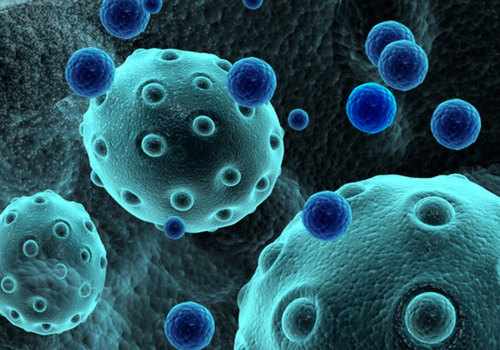
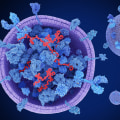
Exosomes are small extracellular vesicles, typically ranging from 30 to 150 nanometers in diameter, that play a pivotal role in intercellular communication. They are secreted by various cell types and are found in numerous biological fluids, including blood, urine, and saliva. These vesicles are formed within the endosomal system of cells and are released into the extracellular space when multivesicular bodies fuse with the plasma membrane. The significance of exosomes lies in their ability to carry a diverse array of biomolecules, such as proteins, lipids, and nucleic acids, which can influence the behaviour of recipient cells.
The biological functions of exosomes are vast and multifaceted. They serve as vehicles for the transfer of genetic material, including mRNA and microRNA, thereby modulating gene expression in target cells. This capability positions exosomes as crucial players in various physiological processes, including immune responses, tissue repair, and cellular homeostasis. Furthermore, exosomes have been implicated in pathological conditions such as cancer, where they can facilitate tumour progression by promoting angiogenesis and metastasis through the delivery of specific molecular signals.
Understanding exosomes is essential for harnessing their potential in therapeutic applications. Their natural role as mediators of cell-to-cell communication makes them attractive candidates for drug delivery systems and regenerative medicine. As research continues to unveil the complexities of exosome biology, it becomes increasingly clear that these vesicles hold significant promise for advancing our understanding of health and disease.
The Biological Role of Exosomes
Exosomes play a pivotal role in intercellular communication, acting as vehicles for the transfer of various biomolecules, including proteins, lipids, and nucleic acids. These small extracellular vesicles, typically ranging from 30 to 150 nanometers in diameter, are secreted by virtually all cell types and are involved in numerous physiological processes.One of the primary functions of exosomes is to facilitate cell communication.They carry molecular signals that can influence the behaviour of recipient cells. For instance, exosomes can transfer microRNAs and other regulatory molecules that modulate gene expression in target cells, thereby affecting their function and fate. This mechanism is crucial in various biological contexts, including immune responses, tissue repair, and even cancer progression.Moreover, exosomes are integral to the transport of molecules within the body. They serve as a means for cells to exchange information over distances, which is particularly important in complex systems such as the nervous system and during inflammatory responses.
By encapsulating and delivering specific cargoes, exosomes can protect these molecules from degradation while ensuring their effective delivery to target cells.In addition to their roles in communication and transport, exosomes are involved in several physiological processes:
- Immune Modulation: Exosomes derived from immune cells can present antigens to T cells, thus playing a critical role in the activation and regulation of immune responses.
- Tissue Repair: Following injury, exosomes can promote healing by delivering growth factors and other molecules that stimulate cell proliferation and tissue regeneration.
- Cancer Progression: Tumour-derived exosomes can facilitate metastasis by altering the microenvironment of distant tissues and promoting angiogenesis.
Sources of Exosomes: A Comprehensive Review
Exosomes are small extracellular vesicles that play a crucial role in intercellular communication and have garnered significant attention for their therapeutic potential. The source of exosomes is paramount, as it influences their composition, functionality, and ultimately their effectiveness in clinical applications. This section delves into various sources of exosomes, highlighting the unique properties and advantages of each.Umbilical Cord-Derived ExosomesUmbilical Cord-Derived Exosomes
Among the most promising sources of exosomes are those derived from umbilical cord tissue.
These exosomes are rich in growth factors, cytokines, and proteins that are essential for cellular repair and regeneration. The umbilical cord is a unique biological resource, as it contains a high concentration of mesenchymal stem cells (MSCs) that contribute to the production of exosomes with potent regenerative properties. Studies have shown that umbilical cord-derived exosomes can significantly enhance wound healing, promote skin rejuvenation, and modulate immune responses. Their non-invasive collection process further adds to their appeal, making them a preferred choice for therapeutic applications.
Mesenchymal Stem Cell (MSC)-Derived Exosomes
Exosomes derived from MSCs have also emerged as a vital source for therapeutic use.
MSCs can be isolated from various tissues, including bone marrow, adipose tissue, and dental pulp. The versatility of MSCs allows for the generation of exosomes with tailored properties depending on the tissue source. MSC-derived exosomes are particularly noted for their anti-inflammatory effects and ability to facilitate tissue repair. They have been extensively studied in the context of inflammatory diseases and have shown promise in drug delivery systems due to their natural ability to transport bioactive molecules.
Plant-Derived Exosomes
In recent years, research has expanded to include plant-derived exosomes as a novel source.
These exosomes, often referred to as plant extracellular vesicles, possess unique characteristics that differentiate them from mammalian sources. They are rich in bioactive compounds such as flavonoids and phenolics, which can provide antioxidant benefits. Plant-derived exosomes have shown potential in enhancing immune responses and delivering therapeutic agents in a more sustainable manner. Their use could pave the way for innovative treatments that leverage the natural properties of plants.In conclusion, the choice of exosome source is critical for maximising therapeutic efficacy.
Each source—umbilical cord, MSCs, and plants—offers distinct advantages that can be harnessed for specific clinical applications. As research continues to evolve, understanding these sources will be essential for developing effective exosome-based therapies.
Umbilical Cord-Derived Exosomes: The Gold Standard?
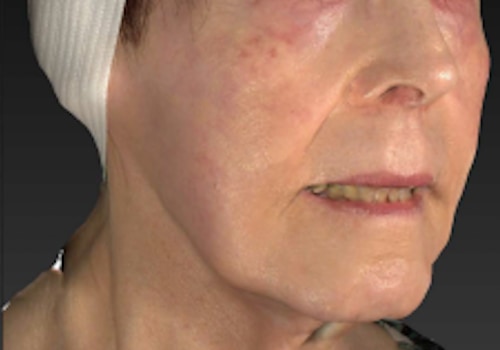
Among the various sources of exosomes, umbilical cord-derived exosomes have emerged as a leading candidate in the realm of regenerative medicine. Their high biological activity and rich composition make them particularly advantageous for therapeutic applications, especially in areas such as skin rejuvenation and wound healing.One of the primary benefits of umbilical cord-derived exosomes is their abundance of growth factors, cytokines, and proteins that play a crucial role in cellular communication and tissue repair. These exosomes are derived from the umbilical cord tissue, which is a rich reservoir of mesenchymal stem cells (MSCs).The unique properties of these stem cells contribute to the exceptional regenerative capabilities of the exosomes they produce.In terms of therapeutic uses, umbilical cord-derived exosomes have shown promising results in clinical settings. For instance, their application in skin rejuvenation has garnered significant attention. The growth factors present in these exosomes can stimulate collagen production, enhance skin elasticity, and promote overall skin health. This makes them an attractive option for cosmetic procedures aimed at reducing signs of aging.Moreover, their effectiveness in wound healing cannot be overstated.
Studies have demonstrated that umbilical cord-derived exosomes can accelerate the healing process by modulating inflammation and promoting angiogenesis—the formation of new blood vessels. This is particularly beneficial for chronic wounds that are resistant to traditional treatment methods.Additionally, the immunomodulatory properties of these exosomes allow them to reduce scarring and improve tissue regeneration. By influencing the local immune response, they create a more conducive environment for healing, which is essential for patients recovering from surgical procedures or traumatic injuries.In summary, umbilical cord-derived exosomes represent a gold standard in the field of regenerative medicine due to their high biological activity and diverse therapeutic applications. As research continues to unfold, their potential to revolutionise treatments for various conditions becomes increasingly evident, making them a focal point for future studies and clinical applications.
Mesenchymal Stem Cell (MSC)-Derived Exosomes: Versatile Therapeutics
Mesenchymal stem cell (MSC)-derived exosomes have emerged as a pivotal component in the realm of regenerative medicine, showcasing their versatility in therapeutic applications.These exosomes, which are nano-sized extracellular vesicles secreted by MSCs, are rich in bioactive molecules such as proteins, lipids, and nucleic acids. Their unique composition enables them to mediate various biological processes, making them a promising tool for treating a range of conditions.One of the most significant applications of MSC-derived exosomes is in the treatment of inflammation. Inflammatory diseases, such as rheumatoid arthritis and inflammatory bowel disease, can lead to chronic pain and tissue damage. MSC-derived exosomes possess anti-inflammatory properties that can modulate immune responses and promote tissue repair.
They achieve this by delivering specific cargo that can inhibit pro-inflammatory cytokines and enhance the production of anti-inflammatory factors. This mechanism not only alleviates symptoms but also addresses the underlying causes of inflammation.Furthermore, MSC-derived exosomes play a crucial role in drug delivery systems. Their natural ability to encapsulate therapeutic agents allows for targeted delivery to specific tissues or cells, enhancing the efficacy of treatments while minimising side effects. For instance, when loaded with chemotherapeutic drugs, these exosomes can improve drug solubility and stability, facilitating better absorption at the target site.
This targeted approach is particularly beneficial in cancer therapy, where precision is vital for successful outcomes.The clinical relevance of MSC-derived exosomes is underscored by ongoing research and clinical trials aimed at harnessing their therapeutic potential. Studies have demonstrated their effectiveness in various preclinical models, paving the way for future applications in human medicine. As researchers continue to explore the mechanisms by which these exosomes exert their effects, it is anticipated that they will become integral to innovative treatment strategies across multiple disciplines.In summary, MSC-derived exosomes represent a versatile therapeutic option with significant implications for treating inflammation and enhancing drug delivery. Their ability to modulate immune responses and facilitate targeted therapy positions them at the forefront of regenerative medicine research.
Plant-Derived Exosomes: An Emerging Source
In recent years, plant-derived exosomes have emerged as a promising alternative to traditional animal-derived sources, offering unique properties that could revolutionise therapeutic applications.These exosomes, which are nano-sized vesicles secreted by plant cells, are gaining attention for their potential benefits in various fields, including medicine and agriculture.One of the most significant advantages of plant-derived exosomes is their biocompatibility. Unlike animal-derived exosomes, which may carry the risk of zoonotic diseases and immune reactions, plant exosomes are generally regarded as safe for human use. This safety profile makes them particularly appealing for therapeutic applications, especially in regenerative medicine and drug delivery systems.Moreover, plant-derived exosomes are rich in bioactive compounds such as proteins , lipids , and RNA , which can play crucial roles in cellular communication and modulation. These components can enhance the therapeutic efficacy of treatments by promoting healing processes and reducing inflammation.
For instance, studies have shown that exosomes derived from certain plants can significantly accelerate wound healing and tissue regeneration.Another notable benefit is the ease of large-scale production. Plants can be cultivated in controlled environments, allowing for the efficient harvesting of exosomes without the ethical concerns associated with animal sources. This scalability is essential for meeting the growing demand for exosome-based therapies.When comparing plant-derived exosomes to their animal counterparts, it is essential to consider their functional diversity. While animal-derived exosomes, particularly those from mesenchymal stem cells (MSCs), have been extensively studied for their roles in inflammation and immune modulation, plant exosomes offer a different set of functionalities.
They can influence metabolic pathways and provide antioxidant properties that are not typically found in animal-derived exosomes.In conclusion, as research continues to unveil the potential of plant-derived exosomes, they represent an exciting frontier in the field of biomedicine. Their unique properties not only provide a safer alternative to animal-derived sources but also open new avenues for innovative therapeutic strategies.
Clinical Applications of Exosomes: Current Trends and Challenges
Exosomes have emerged as a pivotal component in the landscape of modern medicine, particularly in the realm of regenerative therapies and disease management. Their unique properties, including the ability to facilitate intercellular communication and transport biomolecules, have led to a surge in clinical applications across various medical fields.One of the most promising areas for exosome application is in oncology. Exosomes derived from cancer cells can serve as biomarkers for early detection and monitoring of tumour progression.They carry specific proteins and nucleic acids that reflect the molecular profile of the originating tumour, making them invaluable for personalised medicine approaches. Furthermore, exosomes can be engineered to deliver therapeutic agents directly to cancer cells, enhancing treatment efficacy while minimising side effects.In addition to oncology, exosomes are being explored for their potential in treating neurodegenerative diseases. Research indicates that exosomes can facilitate the transport of neuroprotective factors across the blood-brain barrier, offering a novel strategy for conditions such as Alzheimer’s and Parkinson’s disease. Their ability to modulate inflammation and promote cellular repair further underscores their therapeutic promise.Despite these advancements, several challenges hinder the widespread adoption of exosome-based therapies.
One significant hurdle is the standardisation of exosome production and isolation methods. Variability in exosome yield and composition can significantly impact their therapeutic efficacy. To address this, adherence to Good Manufacturing Practices (GMP) is essential. GMP guidelines ensure that exosomes are produced consistently and safely, minimising contamination risks and ensuring reproducibility across clinical applications.Moreover, regulatory frameworks surrounding exosome therapies are still evolving.
The lack of clear guidelines can create uncertainty for researchers and clinicians alike, potentially delaying the translation of promising therapies from bench to bedside. As research progresses, it is crucial for stakeholders to engage with regulatory bodies to establish comprehensive guidelines that facilitate innovation while ensuring patient safety.In conclusion, while the clinical applications of exosomes hold great promise across various diseases, addressing the challenges related to production standardisation and regulatory compliance will be vital for realising their full therapeutic potential.
Exosome Isolation Techniques: Methods and Innovations
Isolating exosomes from various biological sources is a critical step in both research and therapeutic applications. The purity and yield of exosomes can significantly influence their functional properties and clinical efficacy. Several techniques have been developed over the years, each with its own advantages and limitations.Traditional Isolation Methods
- Ultracentrifugation: This is one of the most widely used methods for isolating exosomes.
It involves spinning biological fluids at high speeds to separate exosomes based on their size and density. While effective, this method can be time-consuming and may lead to the co-isolation of contaminants.
- Filtration: Size-exclusion filters can be employed to separate exosomes from larger particles. This method is relatively straightforward but may not achieve the same level of purity as ultracentrifugation.
- Precipitation: Commercial kits are available that use polymer-based solutions to precipitate exosomes from biological fluids. This method is quick and easy but can result in lower yields and potential contamination.
Innovations in Isolation Technology
Recent advancements have introduced innovative techniques that enhance the efficiency and purity of exosome isolation:
- Microfluidics: This cutting-edge technology allows for the manipulation of small volumes of fluids, enabling precise separation of exosomes based on their physical properties.
Microfluidic devices can provide higher purity levels and faster processing times compared to traditional methods.
- Magnetic Bead-Based Isolation: This technique utilises magnetic beads coated with antibodies specific to exosomal surface markers. By applying a magnetic field, researchers can selectively isolate exosomes, resulting in high purity and yield.
- Affinity Chromatography: This method employs specific ligands that bind to exosomal proteins, allowing for targeted isolation. Affinity chromatography can significantly improve the specificity of exosome recovery.
'Intelligent' Technologies in Exosome Research: The Future Ahead
The field of exosome research is rapidly evolving, driven by the advent of intelligent technologies that enhance our understanding and application of these nanoscale vesicles.These technologies encompass a range of advanced methodologies, including artificial intelligence (AI), machine learning, and sophisticated imaging techniques, which collectively promise to revolutionise the landscape of exosome therapy.One significant trend is the integration of artificial intelligence in the analysis of exosomal content. AI algorithms can process vast datasets generated from high-throughput sequencing and proteomic analyses, identifying patterns and correlations that may not be immediately apparent to human researchers. This capability not only accelerates the discovery of novel biomarkers but also aids in the development of personalised therapies tailored to individual patient profiles.Moreover, advancements in biotechnology are paving the way for more efficient methods of exosome isolation and characterisation. Techniques such as microfluidics and nanotechnology are being employed to create devices that can isolate exosomes with high purity and yield.
These innovations facilitate the study of exosomes derived from various sources, including stem cells and body fluids, thereby broadening the scope of potential therapeutic applications.Another promising area is the use of smart delivery systems. By engineering exosomes to carry therapeutic agents, researchers are exploring their potential as targeted drug delivery vehicles. This approach not only enhances the efficacy of treatments but also minimises side effects by ensuring that drugs are delivered precisely where they are needed.As we look to the future, it is clear that the convergence of intelligent technologies and exosome research will lead to significant advancements in regenerative medicine and beyond. The ongoing development of intelligent platforms for real-time monitoring and analysis will further enhance our ability to harness the therapeutic potential of exosomes, ultimately leading to more effective treatments for a variety of diseases.In conclusion, the future trends in exosome therapy are poised to be shaped by these intelligent technologies, which will not only improve our understanding of exosomal biology but also facilitate their application in clinical settings.
As research continues to unfold, we can anticipate a new era where exosomes play a pivotal role in personalised medicine and innovative therapeutic strategies.
'Frequently Asked Questions about Exosomes'
Exosomes have garnered significant attention in recent years due to their potential therapeutic applications and the various sources from which they can be derived. Below, we address some of the most frequently asked questions regarding exosomes, their sources, uses in therapy, and associated risks.What are the best sources of exosomes?
The most effective sources of exosomes are often linked to their biological activity and the specific therapeutic applications they are intended for. Among the most prominent sources are:- Umbilical Cord-Derived Exosomes: These exosomes are rich in growth factors and proteins, making them particularly beneficial for applications in skin rejuvenation and wound healing.
- Mesenchymal Stem Cells (MSCs): MSC-derived exosomes are widely used for their anti-inflammatory properties and ability to facilitate drug delivery. They play a crucial role in tissue regeneration.
- Dendritic Cell Exosomes: These exosomes are primarily used in cancer therapies to stimulate an immune response, highlighting their importance in oncology.
- Plant-Derived Exosomes: Emerging research suggests that exosomes from plant sources may also possess unique properties that could be harnessed for therapeutic purposes.
How are exosomes used in therapy?
Exosomes serve multiple roles in therapeutic contexts, including:- Biomarkers: They can act as indicators of disease states, aiding in diagnostics.
- Drug Delivery Systems: Exosomes can encapsulate therapeutic agents, enhancing their delivery to target cells while minimising side effects.
- Tissue Repair: Their regenerative properties make them suitable for treating injuries and degenerative diseases.
- Cancer Vaccines: Exosomes derived from dendritic cells can be used to create vaccines that stimulate the immune system against cancer cells.
Are there risks associated with using exosomes?
While exosome therapy holds great promise, there are potential risks and challenges that must be considered:- Immunogenicity: Depending on the source, exosomes may provoke an immune response in recipients, leading to complications.
- Contamination: The isolation process must be meticulously controlled to prevent contamination with pathogens or unwanted cellular material.
- Lack of Standardisation: Variability in production methods can lead to inconsistent therapeutic outcomes, necessitating adherence to Good Manufacturing Practices (GMP).
'Conclusion: The Future of Exosome Research'
In summary, the exploration of exosomes has unveiled a plethora of potential sources, each with unique properties and applications.Among these, umbilical cord-derived exosomes stand out due to their rich composition of growth factors and proteins, making them particularly effective for therapeutic interventions such as skin rejuvenation and wound healing. Additionally, exosomes derived from mesenchymal stem cells (MSCs) have shown promise in treating inflammation and facilitating drug delivery, while dendritic cell (DC) exosomes are being investigated for their role in cancer immunotherapy.As we look towards the future of exosome research, several key directions emerge. Firstly, there is a pressing need for the development of standardized protocols for the isolation and production of exosomes. This will ensure consistency in quality and efficacy across different studies and clinical applications.
Furthermore, addressing the challenges associated with scaling up production while adhering to Good Manufacturing Practices (GMP) will be crucial for translating laboratory findings into clinical settings.Another promising avenue is the investigation of unconventional sources of exosomes. Recent studies have highlighted the potential of plant-derived exosomes and those from other non-mammalian sources, which may offer unique therapeutic benefits and broaden the scope of applications in regenerative medicine.Moreover, ongoing research into the mechanisms by which exosomes exert their effects will enhance our understanding of their biological roles. This knowledge could lead to innovative strategies for harnessing exosomes in targeted therapies, particularly in complex diseases where traditional treatments have fallen short.In conclusion, while significant progress has been made in identifying the best sources of exosomes and their applications, the field is still in its infancy. Continued exploration and investment in exosome research will undoubtedly yield new insights and therapeutic options that could revolutionise treatment paradigms across various medical disciplines.