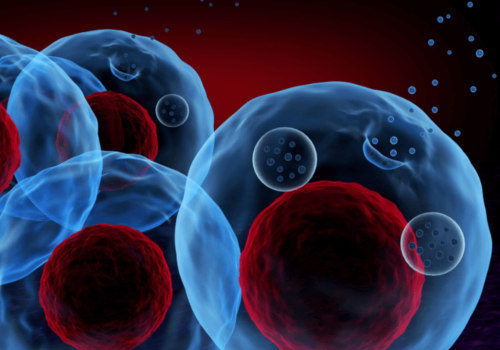
Exosomes are small, membrane-bound vesicles that play a crucial role in intercellular communication, particularly within the complex environment of the central nervous system (CNS). These extracellular vesicles, typically ranging from 30 to 150 nanometers in diameter, are secreted by various cell types and contain a diverse array of biologically active molecules, including proteins, lipids, and nucleic acids. Their ability to transfer these molecular cargoes between cells makes exosomes vital players in numerous physiological and pathological processes, including those associated with CNS diseases.The significance of exosomes in the context of CNS diseases cannot be overstated. Conditions such as Alzheimer’s disease, Parkinson’s disease, and multiple sclerosis are characterised by intricate cellular interactions and inflammatory responses. Exosomes are small, membrane-bound vesicles that play a crucial role in intercellular communication, particularly within the complex environment of the central nervous system (CNS). These extracellular vesicles, typically ranging from 30 to 150 nanometers in diameter, are secreted by various cell types and contain a diverse array of biologically active molecules, including proteins, lipids, and nucleic acids. Their ability to transfer these molecular cargoes between cells makes exosomes vital players in numerous physiological and pathological processes, including those associated with CNS diseases.The significance of exosomes in the context of CNS diseases cannot be overstated. Conditions such as Alzheimer’s disease, Parkinson’s disease, and multiple sclerosis are characterised by intricate cellular interactions and inflammatory responses.
Exosomes have been implicated in the propagation of neuroinflammation and the spread of pathological proteins, such as amyloid-beta and tau, which are hallmarks of neurodegenerative disorders. By facilitating communication between neurons and glial cells, exosomes may influence disease progression and severity, highlighting their potential as both biomarkers for early diagnosis and targets for therapeutic intervention.Moreover, the unique properties of exosomes allow them to traverse the blood-brain barrier (BBB), a selective permeability barrier that protects the brain from harmful substances while also complicating drug delivery. This characteristic positions exosomes as promising vehicles for targeted therapy in CNS diseases. Researchers are increasingly exploring how engineered exosomes can be utilised to deliver therapeutic agents directly to affected areas within the CNS, potentially revolutionising treatment strategies for conditions that currently have limited options.As we delve deeper into the role of exosomes in CNS pathogenesis and treatment, it becomes evident that understanding their mechanisms of action is essential for developing innovative diagnostic tools and therapies. Exosomes have been implicated in the propagation of neuroinflammation and the spread of pathological proteins, such as amyloid-beta and tau, which are hallmarks of neurodegenerative disorders. By facilitating communication between neurons and glial cells, exosomes may influence disease progression and severity, highlighting their potential as both biomarkers for early diagnosis and targets for therapeutic intervention.Moreover, the unique properties of exosomes allow them to traverse the blood-brain barrier (BBB), a selective permeability barrier that protects the brain from harmful substances while also complicating drug delivery. This characteristic positions exosomes as promising vehicles for targeted therapy in CNS diseases. Researchers are increasingly exploring how engineered exosomes can be utilised to deliver therapeutic agents directly to affected areas within the CNS, potentially revolutionising treatment strategies for conditions that currently have limited options.As we delve deeper into the role of exosomes in CNS pathogenesis and treatment, it becomes evident that understanding their mechanisms of action is essential for developing innovative diagnostic tools and therapies.
The exploration of exosomal biology not only enhances our comprehension of CNS diseases but also opens new avenues for research aimed at improving patient outcomes.
What are Exosomes?
Exosomes are small, membrane-bound extracellular vesicles that play a pivotal role in intercellular communication. They are typically 30 to 150 nanometers in diameter and are secreted by various cell types into the extracellular environment. The formation of exosomes begins with the inward budding of the plasma membrane, leading to the creation of early endosomes. These early endosomes then mature into late endosomes or multivesicular bodies (MVBs), which contain intraluminal vesicles.When MVBs fuse with the plasma membrane, they release these intraluminal vesicles into the extracellular space as exosomes.The composition of exosomes is diverse and reflects the physiological state of their parent cells. They are rich in a variety of biomolecules, including:
- Nucleic acids: Exosomes carry various types of RNA, including mRNA and microRNA, which can influence gene expression in recipient cells.
- Proteins: A wide array of proteins, including receptors, enzymes, and cytoskeletal proteins, are found within exosomes. These proteins can mediate signalling pathways and cellular responses.
- Lipids: The lipid bilayer of exosomes contains specific lipid species that can affect membrane fluidity and fusion properties.
- Metabolites: Exosomes may also transport metabolites that can modulate metabolic processes in target cells.
For instance, exosomes can:
- Modulate immune responses by presenting antigens to immune cells.
- Promote tissue repair and regeneration by delivering growth factors and other regenerative signals.
- Contribute to the spread of pathogenic agents, such as viruses, by serving as vehicles for their transmission.
The Pathogenesis of CNS Diseases
The pathogenesis of central nervous system (CNS) diseases is a complex interplay of various biological processes, prominently featuring neuroinflammation and neurodegeneration. These mechanisms are not only critical in the development of conditions such as Alzheimer’s disease, Parkinson’s disease, and multiple sclerosis but are also intricately linked to the activity of exosomes.Neuroinflammation
is often one of the first responses to CNS injury or disease. It involves the activation of glial cells, including microglia and astrocytes, which release pro-inflammatory cytokines and chemokines.
This inflammatory response can lead to a cascade of events that exacerbate neuronal damage. Exosomes play a pivotal role in this process by mediating communication between glial cells and neurons. They can carry inflammatory mediators, which may either propagate or mitigate inflammation depending on their content and the cellular context.For instance, exosomes derived from activated microglia can contain a variety of inflammatory cytokines that contribute to neuronal cell death. Conversely, exosomes from mesenchymal stem cells have been shown to possess anti-inflammatory properties, promoting recovery and reducing neuroinflammation.
This duality highlights the potential for exosomes to serve as both biomarkers and therapeutic agents in managing neuroinflammatory conditions.
Neurodegeneration
, on the other hand, is characterized by progressive neuronal loss and dysfunction. The accumulation of misfolded proteins, such as amyloid-beta in Alzheimer’s disease or alpha-synuclein in Parkinson’s disease, is a hallmark of neurodegenerative disorders. Exosomes are implicated in the clearance of these toxic proteins; they can facilitate the removal of misfolded proteins from affected neurons through a process known as exosomal secretion.Moreover, the content of exosomes can reflect the pathological state of their parent cells. For example, altered levels of specific microRNAs within exosomes have been associated with various CNS diseases, providing insights into their underlying mechanisms.
This relationship underscores the potential for exosomal analysis to serve as a non-invasive diagnostic tool for early detection and monitoring of CNS diseases.In summary, understanding the role of exosomes in the pathogenesis of CNS diseases offers promising avenues for both diagnosis and treatment. By elucidating how these extracellular vesicles influence neuroinflammation and neurodegeneration, researchers can develop targeted therapies that harness their unique properties to combat CNS disorders effectively.
Exosomes in Neuroinflammation
Neuroinflammation is a critical component in the pathogenesis of various central nervous system (CNS) diseases, including multiple sclerosis, Alzheimer's disease, and Parkinson's disease. Recent research has highlighted the significant role of exosomes in mediating neuroinflammatory responses, acting as both messengers and modulators within the CNS environment.Exosomes are small extracellular vesicles that facilitate intercellular communication by transferring bioactive molecules such as proteins, lipids, and nucleic acids between cells. In the context of neuroinflammation, exosomes can influence the inflammatory milieu by carrying pro-inflammatory cytokines and other mediators that can exacerbate or mitigate inflammatory responses.Mechanisms of Exosome-Mediated Neuroinflammation
- Cellular Communication: Exosomes derived from activated microglia, the resident immune cells of the CNS, can propagate inflammatory signals to neighbouring neurons and glial cells.
This communication can lead to a cascade of inflammatory responses that contribute to neuronal damage.
- Transport of Inflammatory Mediators: Exosomes can encapsulate and transport various inflammatory mediators, including cytokines like TNF-α and IL-1β. The release of these exosomes into the extracellular space can amplify local inflammation and promote a chronic inflammatory state.
- Modulation of Immune Responses: Interestingly, exosomes can also carry anti-inflammatory molecules. For instance, exosomes from mesenchymal stem cells have been shown to possess immunomodulatory properties that can dampen neuroinflammation and promote tissue repair.
Furthermore, the analysis of exosomal content in biological fluids could serve as a non-invasive biomarker for assessing neuroinflammatory conditions.In conclusion, exosomes play a pivotal role in mediating neuroinflammatory processes within the CNS. Understanding their complex functions could pave the way for novel therapeutic approaches aimed at modulating inflammation in various CNS diseases.
Exosomal Biomarkers for CNS Diseases
Exosomes have emerged as a promising avenue for the identification of biomarkers in central nervous system (CNS) diseases. These nanoscale extracellular vesicles, secreted by various cell types, encapsulate a wealth of biological information, including proteins, lipids, and nucleic acids. The unique composition of exosomes reflects the physiological and pathological states of their parent cells, making them invaluable for understanding disease mechanisms and progression.One of the most significant advantages of using exosomes as biomarkers is their presence in various biological fluids, such as blood, cerebrospinal fluid (CSF), and urine.This non-invasive accessibility allows for easier sampling compared to traditional tissue biopsies. By analysing the content of exosomes derived from these fluids, researchers can gain insights into the molecular changes associated with CNS diseases.
Insights into Disease States
In conditions like Alzheimer’s disease (AD) and Parkinson’s disease (PD), specific exosomal proteins and microRNAs have been identified that correlate with disease severity and progression. For instance, elevated levels of certain tau proteins in exosomes have been linked to neurodegeneration in AD patients. Similarly, alterations in microRNA profiles within exosomes can indicate the onset of PD, providing a potential early diagnostic marker.Potential for Disease Monitoring
The dynamic nature of exosomal content also allows for real-time monitoring of disease progression and response to therapy.As treatment strategies evolve, the ability to track changes in exosomal biomarkers can inform clinicians about the effectiveness of interventions. For example, a decrease in pro-inflammatory cytokines within exosomes may suggest a positive therapeutic response in neuroinflammatory conditions.
Challenges and Future Directions
Despite their potential, several challenges remain in the clinical application of exosomal biomarkers. Standardisation of isolation techniques and validation of biomarker specificity are crucial steps that need to be addressed. Furthermore, large-scale studies are necessary to establish robust correlations between exosomal content and clinical outcomes.In conclusion, the diagnostic potential of exosomes as biomarkers for CNS diseases is vast and continues to expand with ongoing research.Their ability to provide insights into disease states and progression positions them as a pivotal tool in the future of CNS diagnostics and personalised medicine.
Therapeutic Applications of Exosomes in CNS Diseases
Exosomes have emerged as a promising avenue for therapeutic applications in the treatment of central nervous system (CNS) diseases. Their unique properties, including their ability to encapsulate and transport a variety of bioactive molecules, make them ideal candidates for drug delivery systems. One of the most significant challenges in treating CNS disorders is the blood-brain barrier (BBB), a selective permeability barrier that protects the brain from harmful substances but also limits the delivery of therapeutic agents. Exosomes possess the remarkable ability to cross this barrier, thereby facilitating targeted drug delivery directly to affected neural tissues.Recent studies have demonstrated that exosomes can be engineered to carry therapeutic agents such as small interfering RNAs (siRNAs), microRNAs (miRNAs), and proteins.This engineering can enhance their stability and bioavailability, ensuring that these agents reach their intended targets within the CNS. For instance, exosomes derived from mesenchymal stem cells (MSCs) have shown potential in delivering neuroprotective factors that promote neuronal survival and repair following injury or degeneration.Moreover, exosome-based therapies can be tailored to address specific CNS diseases. In conditions like Alzheimer’s disease, where protein aggregation plays a critical role in pathogenesis, exosomes can be loaded with miRNAs that target and regulate the expression of proteins involved in amyloid-beta production. This targeted approach not only helps in reducing toxic protein levels but also aids in restoring normal cellular function.Another significant advantage of using exosomes as drug delivery vehicles is their biocompatibility and low immunogenicity.
Unlike synthetic nanoparticles, exosomes are naturally occurring entities that are less likely to provoke an immune response, making them safer for therapeutic use. Additionally, their lipid bilayer structure allows for the encapsulation of both hydrophilic and hydrophobic drugs, broadening the scope of potential treatments.In summary, the therapeutic applications of exosomes in CNS diseases are vast and varied. Their ability to cross the BBB, combined with their natural properties as carriers of bioactive molecules, positions them as a revolutionary tool in drug delivery systems. As research continues to advance, exosome-based therapies hold great promise for improving treatment outcomes in patients suffering from debilitating CNS disorders.
Challenges and Future Directions in Exosome Research
The field of exosome research is rapidly evolving, yet it faces several significant challenges that must be addressed to unlock the full potential of these extracellular vesicles in the context of central nervous system (CNS) diseases.One of the primary challenges is the isolation and characterization of exosomes. Current methods for isolating exosomes, such as ultracentrifugation and size-exclusion chromatography, can be time-consuming and may not yield pure populations of exosomes. This lack of standardization can lead to variability in results across different studies, complicating the interpretation of data and hindering reproducibility.Another challenge lies in the understanding of exosomal content. Exosomes carry a complex cargo that includes proteins, lipids, and nucleic acids, which can vary significantly depending on their cellular origin and the physiological state of the parent cell.
This heterogeneity poses difficulties in determining which specific components are responsible for their therapeutic effects or pathological roles in CNS diseases. Furthermore, the mechanisms by which exosomes mediate intercellular communication remain poorly understood, necessitating further investigation into their functional roles.Despite these challenges, the future of exosome therapies appears promising. Advances in nanotechnology and molecular biology are paving the way for innovative approaches to enhance exosome delivery systems. For instance, engineering exosomes to carry therapeutic agents directly to target cells could revolutionise treatment strategies for CNS diseases.
Additionally, the development of biomarkers based on exosomal content holds potential for early diagnosis and monitoring of disease progression.Moreover, as research progresses, there is a growing need for comprehensive studies that explore the therapeutic potential of exosomes derived from various cell types, including stem cells and immune cells. These studies could elucidate how different exosomal populations contribute to neuroprotection and repair mechanisms in CNS disorders.In conclusion, while there are notable limitations in current exosome research, including challenges in isolation techniques and understanding their biological functions, the future holds significant promise. Continued investment in this field could lead to groundbreaking therapies that harness the power of exosomes for treating CNS diseases.
Conclusion: The Future of Exosome Research in CNS Diseases
In summary, the exploration of exosomes has unveiled their pivotal role in the pathogenesis and treatment of central nervous system (CNS) diseases. These nanoscale extracellular vesicles are not merely by-products of cellular activity; they are dynamic entities that facilitate intercellular communication and influence various biological processes.The findings discussed throughout this article highlight several key aspects of exosomes that underscore their significance in CNS pathology.Firstly, exosomes have been shown to carry a diverse array of biomolecules, including proteins, lipids, and nucleic acids, which can reflect the physiological state of their parent cells. This characteristic positions exosomes as potential biomarkers for early diagnosis and monitoring of CNS diseases such as Alzheimer’s disease, Parkinson’s disease, and multiple sclerosis. Their presence in biological fluids offers a non-invasive means to assess disease progression and therapeutic responses.Moreover, the ability of exosomes to cross the blood-brain barrier presents a promising avenue for drug delivery systems. By encapsulating therapeutic agents within exosomes, researchers can enhance the bioavailability and efficacy of treatments aimed at CNS disorders.
This innovative approach could revolutionise how we administer therapies for conditions that have historically been challenging to treat due to the protective nature of the blood-brain barrier.Looking ahead, future research should focus on several critical areas:
- Mechanistic Understanding: Further elucidation of the mechanisms by which exosomes influence neuroinflammation and neuronal repair is essential. Understanding these pathways could lead to targeted therapies that harness the beneficial properties of exosomes.
- Standardisation of Isolation Techniques: Developing standardised methods for isolating and characterising exosomes will enhance reproducibility and comparability across studies, facilitating advancements in clinical applications.
- Therapeutic Applications: Investigating the therapeutic potential of engineered exosomes loaded with specific drugs or genetic material could open new frontiers in personalised medicine for CNS diseases.