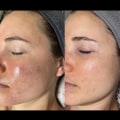
In the ever-evolving world of skincare, the quest for youthful, radiant skin has led to the development of various innovative treatments. Among these, microneedling and Profhilo have emerged as popular choices for those seeking effective skin rejuvenation. Understanding the nuances of these techniques is essential for anyone looking to enhance their skincare routine and achieve optimal results. Both treatments offer unique benefits, but they operate through different mechanisms and are suited to varying skin concerns.Microneedling, often combined with exosomes, utilises fine needles to create micro-injuries in the skin, stimulating the body’s natural healing processes.
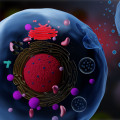
This method not only promotes collagen and elastin production but also enhances the absorption of topical treatments, such as exosomes, which are rich in growth factors and other beneficial compounds. On the other hand, Profhilo is a revolutionary injectable treatment that delivers hyaluronic acid directly into specific areas of the skin, providing deep hydration and improving skin elasticity without the need for traditional fillers.The integration of exosomes into microneedling treatments represents a significant advancement in skincare technology. Exosomes are tiny vesicles that facilitate communication between cells, carrying essential proteins and genetic material that can accelerate healing and rejuvenation. When paired with microneedling, they enhance the overall effectiveness of the treatment by promoting faster recovery and improved skin texture.
This combination not only addresses signs of ageing but also aids in repairing damaged skin.As we delve deeper into this comparison between microneedling with exosomes and Profhilo, it becomes clear that both techniques have their place in modern skincare. By understanding their distinct properties and benefits, individuals can make informed decisions tailored to their specific needs and aesthetic goals. Whether you are looking to rejuvenate your complexion or combat signs of ageing, exploring these advanced treatments can lead to transformative results.
What is Microneedling?
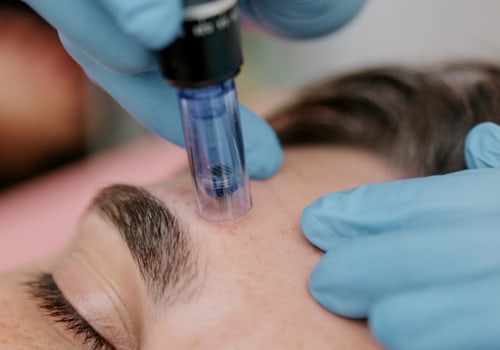
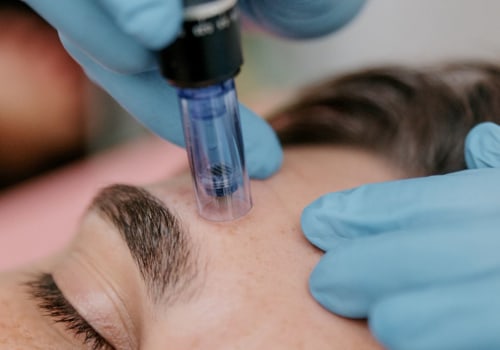
Microneedling, also known as collagen induction therapy, is a minimally invasive cosmetic procedure that involves the use of fine needles to create controlled micro-injuries in the skin. This technique stimulates the body’s natural healing processes, leading to increased collagen and elastin production, which are essential for maintaining youthful and healthy skin.The procedure typically begins with the application of a topical anaesthetic to ensure patient comfort.Once the skin is adequately numbed, a microneedling device—either a pen-like instrument or a motorised roller—is used to create thousands of tiny punctures in the skin's surface. These micro-injuries trigger the body’s wound healing response, prompting the production of new collagen and elastin fibers.
How Microneedling Works
The mechanism behind microneedling is rooted in the body’s natural healing processes. When the skin is injured, it responds by activating various biological pathways that lead to tissue repair. The micro-injuries created during microneedling stimulate fibroblasts, which are cells responsible for collagen synthesis.
As a result, over time, patients can expect to see improvements in skin texture, tone, and overall appearance.Additionally, microneedling enhances the absorption of topical products applied post-treatment. This means that serums containing beneficial ingredients such as hyaluronic acid or exosomes can penetrate deeper into the skin, maximising their effectiveness.
Benefits of Microneedling
- Improved Skin Texture: Microneedling can significantly reduce the appearance of fine lines, wrinkles, and enlarged pores.
- Scar Reduction: It is particularly effective for treating acne scars and other types of scarring.
- Enhanced Product Absorption: The micro-channels created during the procedure allow for better penetration of skincare products.
- Minimal Downtime: Most patients experience only mild redness and swelling post-treatment, similar to a light sunburn.
- Safe for All Skin Types: Microneedling is suitable for various skin types and tones, making it a versatile option for many individuals.
Understanding Exosomes in Skincare
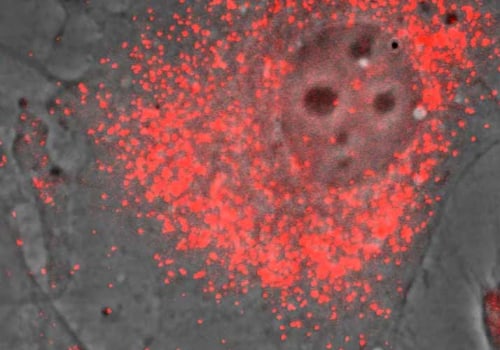
Exosomes are tiny extracellular vesicles that play a crucial role in cellular communication. They are secreted by various cell types and contain a rich cargo of proteins, lipids, and RNA, which facilitate intercellular communication and influence numerous biological processes.In the realm of skincare, exosomes have emerged as a revolutionary component, offering a multitude of benefits that enhance skin health and rejuvenation.One of the primary functions of exosomes in skincare is their ability to promote healing and regeneration. When applied topically or delivered through treatments like microneedling, exosomes can significantly accelerate the skin's natural repair processes. This is particularly beneficial for individuals dealing with issues such as acne scars, fine lines, and overall skin texture irregularities.
Benefits of Exosomes in Skincare:
- Enhanced Collagen Production: Exosomes stimulate fibroblasts, the cells responsible for collagen synthesis, leading to improved skin elasticity and firmness.
- Anti-Inflammatory Properties: They help reduce inflammation in the skin, making them ideal for treating conditions like rosacea or post-acne redness.
- Improved Skin Barrier Function: Exosomes contribute to strengthening the skin barrier, which is essential for maintaining hydration and protecting against environmental aggressors.
- Cellular Communication: By facilitating communication between cells, exosomes can enhance the overall health of the skin, promoting a more youthful appearance.
This not only addresses visible signs of aging but also targets underlying cellular mechanisms that contribute to skin health.In summary, exosomes are pivotal in modern skincare due to their regenerative properties and ability to enhance cellular communication. Their application in treatments such as microneedling allows for deeper penetration and more effective results, making them an invaluable asset in achieving healthier, more youthful-looking skin.
The Synergy of Microneedling and Exosomes
Microneedling, when combined with exosomes, creates a powerful synergy that significantly enhances skin rejuvenation and healing. This innovative approach leverages the unique properties of exosomes, which are tiny extracellular vesicles that facilitate communication between cells, to amplify the benefits of microneedling.During a microneedling procedure, fine needles create controlled micro-injuries in the skin. This process not only stimulates the body’s natural healing response but also promotes the production of collagen and elastin, essential proteins for maintaining skin elasticity and firmness.When exosomes are introduced during this treatment, they serve as potent carriers of growth factors, proteins, and other bioactive molecules that further enhance skin regeneration.
Benefits of Combining Microneedling with Exosomes
- Enhanced Delivery: The micro-channels created by microneedling allow for deeper penetration of exosomes into the dermal layers, ensuring that these beneficial substances reach the target cells more effectively.
- Accelerated Healing: Exosomes have been shown to reduce inflammation and promote faster recovery times. This means that patients can expect less downtime following their treatments.
- Improved Skin Quality: The combination of microneedling and exosomes not only stimulates collagen production but also improves overall skin texture, tone, and hydration levels.
- Targeted Treatment: Exosomes can be tailored to address specific skin concerns such as pigmentation, fine lines, and sagging skin, making this combination a versatile option for various skin types.
What is Profhilo?
Profhilo is an innovative injectable treatment designed to enhance skin hydration and elasticity, setting it apart from traditional dermal fillers.Unlike fillers that add volume to specific areas of the face, Profhilo works by stimulating the skin's natural collagen and elastin production, resulting in a more subtle and natural rejuvenation effect.At its core, Profhilo is composed of a high concentration of hyaluronic acid, a substance naturally found in the body that plays a crucial role in maintaining skin moisture and firmness. When injected into the skin, Profhilo disperses evenly, providing hydration and improving skin texture without the need for volumetric enhancement.
How Profhilo Works
The mechanism of action for Profhilo is unique. Upon injection, it spreads through the dermal layers, stimulating four different types of collagen and elastin production. This process not only hydrates the skin but also promotes a gradual tightening effect, making it particularly effective for areas prone to sagging or loss of elasticity.Typically, the treatment involves two sessions spaced about four weeks apart.During these sessions, small amounts of Profhilo are injected into specific areas such as the face, neck, décolletage, or hands. The results can last for up to six months, after which maintenance treatments may be recommended to sustain the desired effects.
Benefits of Profhilo
- Natural Results: Profhilo enhances skin quality without altering facial contours, providing a more youthful appearance without the "overfilled" look associated with some fillers.
- Improved Hydration: The high hyaluronic acid content ensures deep hydration, leading to plumper and more radiant skin.
- Minimal Downtime: Patients can typically return to their daily activities immediately after treatment, as side effects are usually mild and temporary.
- Versatile Application: Profhilo can be used on various body areas beyond the face, including the neck and hands, making it a versatile option for overall skin rejuvenation.
Comparing Microneedling with Exosomes and Profhilo
When considering skin rejuvenation treatments, microneedling with exosomes and Profhilo are two popular options that offer distinct benefits and methodologies. Understanding the differences between these treatments can help individuals make informed decisions based on their specific skin needs.Application Methods
- Microneedling with Exosomes: This technique involves the use of a device equipped with fine needles that create micro-injuries in the skin.
These controlled injuries stimulate the body’s natural healing process, promoting collagen and elastin production. When combined with exosomes, which are tiny vesicles containing growth factors and proteins, the treatment enhances skin regeneration by delivering these beneficial substances directly into the deeper layers of the skin.
- Profhilo: In contrast, Profhilo is an injectable treatment that consists of a high concentration of hyaluronic acid. It is administered through a series of injections into specific areas of the face or body. Unlike traditional fillers, Profhilo works by hydrating and tightening the skin from within, improving elasticity and overall texture.
Results and Efficacy
The results from microneedling with exosomes typically manifest as improved skin texture, reduced fine lines, and enhanced overall radiance.
The regenerative properties of exosomes can also address issues such as inflammation and uneven skin tone.On the other hand, Profhilo is particularly effective for individuals seeking to restore hydration and firmness to sagging skin. Its unique formulation allows for a gradual improvement in skin quality, often described as a "glow" effect.
Recovery Times
- Microneedling with Exosomes: Patients may experience some redness and swelling post-treatment, similar to a mild sunburn. Recovery typically takes 24 to 48 hours, during which time the skin begins to heal and regenerate.
- Profhilo: The recovery period is generally shorter, with minimal downtime. Patients may notice slight swelling or bruising at injection sites, but these effects usually resolve quickly.
Suitability for Various Skin Types
Microneedling with exosomes is versatile and can benefit a wide range of skin types, particularly those dealing with acne scars or signs of aging.
Conversely, Profhilo is ideal for individuals looking to improve skin hydration and elasticity without adding volume.Ultimately, the choice between microneedling with exosomes and Profhilo depends on individual skin concerns and desired outcomes. Consulting with a qualified practitioner can provide tailored recommendations to achieve optimal results.
Potential Side Effects and Considerations
When considering aesthetic treatments such as microneedling with exosomes and Profhilo, it is essential to be aware of the potential side effects and safety considerations associated with each procedure. Understanding these factors can help patients make informed decisions about their skincare options.Potential Side Effects of Microneedling with Exosomes
Microneedling, when combined with exosome therapy, is generally regarded as safe; however, some side effects may occur. Commonly reported side effects include:- Redness and Swelling: Post-treatment, patients may experience temporary redness and swelling in the treated areas, similar to a mild sunburn.
This typically subsides within a few days.
- Bruising: Some individuals may notice bruising at the microneedling sites, particularly if they have sensitive skin or are on blood-thinning medications.
- Dryness and Flaking: As the skin heals, it may become dry or flaky. This is a normal part of the healing process and can be managed with appropriate moisturisers.
- Infection Risk: Although rare, there is a potential risk of infection if post-treatment care instructions are not followed diligently.
Potential Side Effects of Profhilo
Profhilo is known for its hydrating and skin-tightening properties, but it also carries some risks. Possible side effects include:- Soreness at Injection Sites: Patients may experience tenderness or soreness where the product has been injected. This usually resolves within a few days.
- Swelling and Redness: Similar to microneedling, swelling and redness can occur at the injection sites but typically diminish quickly.
- Lumps or Bumps: Occasionally, small lumps may form under the skin where Profhilo has been injected.
These should smooth out over time but can be concerning for some patients.
- Allergic Reactions: Though rare, some individuals may have an allergic reaction to the ingredients in Profhilo. It is crucial to discuss any known allergies with your practitioner beforehand.
Safety Considerations for Treatments
Before undergoing either treatment, patients should consider the following safety measures:- Consultation with a Qualified Practitioner: Always seek treatment from a licensed and experienced professional who can assess your skin type and recommend the most suitable procedure.
- Medical History Disclosure: Be open about your medical history, including any medications you are taking, as this can influence treatment outcomes and risks.
- Post-Treatment Care: Adhering to aftercare instructions is vital for minimising side effects and ensuring optimal results. This may include avoiding sun exposure and using gentle skincare products.
Who Should Consider Each Treatment?
When considering skin rejuvenation treatments, it is essential to identify the ideal candidates for each option. Both microneedling with exosomes and Profhilo offer unique benefits, but they cater to different skin types, concerns, and desired outcomes.Who Should Consider Microneedling with Exosomes?
Microneedling with exosomes is particularly suitable for individuals seeking to address a variety of skin issues, including:- Fine Lines and Wrinkles: Those looking to reduce the appearance of fine lines and wrinkles can benefit from the collagen-stimulating effects of microneedling combined with the regenerative properties of exosomes.
- Acne Scarring: Individuals with acne scars may find this treatment effective as it promotes skin healing and regeneration, helping to smooth out uneven textures.
- Skin Texture and Tone: If you are concerned about uneven skin tone or rough texture, microneedling with exosomes can enhance overall skin quality.
- Aging Skin: Those experiencing sagging or loss of elasticity may benefit from the tightening effects of this treatment, which works to rejuvenate the skin at a cellular level.
Additionally, those with sensitive skin or conditions like rosacea should consult a professional before proceeding.
Who Should Consider Profhilo?
Profhilo is an excellent choice for individuals looking for hydration and skin tightening without the need for extensive recovery time. Ideal candidates include:- Dehydrated Skin: If your primary concern is dry or dehydrated skin, Profhilo provides deep hydration that can restore moisture levels effectively.
- Mild to Moderate Skin Laxity: Those experiencing early signs of sagging may find Profhilo beneficial as it helps improve skin elasticity and firmness.
- Busy Lifestyles: For individuals who prefer a quick treatment with minimal downtime, Profhilo is an attractive option due to its straightforward application and rapid recovery.
- Aging Skin: As with microneedling, those over 30 often seek Profhilo for its ability to combat signs of aging without invasive procedures.
FAQs About Microneedling with Exosomes and Profhilo
When considering microneedling with exosomes and Profhilo, many individuals have questions about the procedures, their benefits, and what to expect. Here are some frequently asked questions that can help clarify common doubts.What is microneedling with exosomes?
Microneedling with exosomes is a skin rejuvenation treatment that combines the collagen-stimulating effects of microneedling with the regenerative properties of exosomes.Exosomes are tiny vesicles that carry proteins, lipids, and genetic material, facilitating communication between cells. When applied after microneedling, they enhance skin healing and regeneration.
How does Profhilo work?
Profhilo is an injectable treatment that contains a high concentration of hyaluronic acid. It works by hydrating the skin and stimulating collagen and elastin production. Unlike traditional fillers, Profhilo spreads evenly under the skin, providing a natural lift and improving skin texture.What are the main differences between microneedling with exosomes and Profhilo?
- Application Method: Microneedling creates micro-injuries in the skin to promote healing, while Profhilo is injected directly into specific areas.
- Primary Benefits: Microneedling with exosomes focuses on enhancing collagen production and skin repair, whereas Profhilo primarily hydrates and improves skin elasticity.
- Recovery Time: Microneedling may require a few days for redness to subside, while Profhilo typically has minimal downtime.
Are there any side effects associated with these treatments?
Both treatments are generally safe when performed by qualified professionals.However, some common side effects may include:
- Redness and swelling at the treatment site
- Slight bruising or tenderness
- Temporary discomfort during the procedure
How long do results last?
The longevity of results varies between treatments. Microneedling with exosomes can provide lasting improvements in skin texture for several months, while Profhilo results typically last around six months before maintenance treatments are needed.Who is a suitable candidate for these treatments?
Both microneedling with exosomes and Profhilo are suitable for individuals looking to improve their skin's appearance. However, those with specific skin conditions or concerns should consult a qualified practitioner to determine the best approach for their needs.Conclusion: Making an Informed Choice for Your Skin Health
In conclusion, understanding the differences between microneedling with exosomes and Profhilo is crucial for anyone considering these advanced skin treatments. Both methods offer unique benefits, but they cater to different skin concerns and goals.Microneedling with exosomes harnesses the body’s natural healing processes while enhancing them with the regenerative properties of exosomes.This combination not only stimulates collagen and elastin production but also accelerates skin recovery and improves overall skin health. The presence of exosomes introduces a variety of growth factors and proteins that can address multiple skin issues, from fine lines to inflammation, making it a versatile option for rejuvenation.On the other hand, Profhilo focuses primarily on hydration and skin tightening through direct injection into specific areas. It is particularly effective for those looking to enhance skin elasticity and moisture levels without the need for extensive recovery time. While Profhilo provides immediate results in terms of hydration, it may not offer the same depth of skin regeneration as microneedling with exosomes.When deciding between these two treatments, it is essential to consider your individual skin type, concerns, and desired outcomes.
Consulting with a qualified skincare professional can help you assess your needs and determine which treatment aligns best with your goals. Factors such as age, skin condition, and lifestyle should all be taken into account.Ultimately, both microneedling with exosomes and Profhilo can significantly enhance your skin's appearance and health. By making an informed choice based on thorough research and professional advice, you can embark on a journey towards achieving radiant, youthful skin that reflects your inner vitality.