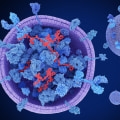
Exosomes are fascinating extracellular vesicles that play a pivotal role in the intricate web of cellular communication. These minute structures, typically ranging from 30 to 160 nanometres in diameter, are secreted by various cell types and serve as vital messengers, facilitating the transfer of information between cells. By encapsulating a diverse array of biomolecules, including proteins, lipids, and nucleic acids such as messenger RNA (mRNA) and microRNA (miRNA) , exosomes enable cells to communicate effectively and coordinate their functions.The significance of exosomes extends far beyond mere cellular chatter; they are integral to numerous physiological processes. For instance, exosomes are involved in immune responses, tissue repair, and even the regulation of inflammation.
Their ability to carry specific molecular signals allows them to influence the behaviour of recipient cells, promoting healing and regeneration in various tissues. This unique capability has sparked considerable interest in the potential therapeutic applications of exosomes, particularly in fields such as regenerative medicine and oncology.Understanding what exosomes are and how they function is crucial for appreciating their importance in both health and disease. As research continues to unveil the complexities of these vesicles, it becomes increasingly clear that exosomes are not just passive carriers of cellular debris; rather, they are dynamic entities that actively participate in maintaining homeostasis within the body. Their role as mediators of intercellular communication positions them at the forefront of scientific inquiry, with implications that could revolutionise treatment strategies for a variety of conditions.
What Are Exosomes?
Exosomes are a specific type of extracellular vesicle that play a crucial role in cellular communication.They are small, membrane-bound vesicles, typically ranging from 30 to 160 nanometers in diameter, and are secreted by various cell types into the extracellular environment. The process of exosome formation begins within the cell, where they originate from the inward budding of the multivesicular bodies (MVBs). When these MVBs fuse with the plasma membrane, they release their contents into the surrounding space, resulting in the formation of exosomes.One of the defining characteristics of exosomes is their lipid bilayer membrane, which protects their internal cargo from degradation. This cargo can include a diverse array of biomolecules such as proteins, lipids, messenger RNA (mRNA) , and microRNA (miRNA).
These components are essential for mediating intercellular communication and can influence the behaviour of recipient cells by altering their gene expression and functional state.Exosomes differ from other types of extracellular vesicles, such as microvesicles and apoptotic bodies, primarily in their size and mode of biogenesis. Microvesicles are larger (typically 100 to 1000 nanometers) and are formed by direct outward budding from the plasma membrane. In contrast, apoptotic bodies are released during programmed cell death and can vary significantly in size. This distinction is important as it relates to their respective functions and mechanisms of action within biological systems.The biological significance of exosomes extends beyond mere cellular communication; they are involved in various physiological processes including immune response modulation, tissue repair, and even cancer progression.
Their ability to transfer genetic material and proteins between cells makes them a focal point of research in regenerative medicine and therapeutic applications.In summary, exosomes are vital components of cellular communication networks, distinguished by their unique characteristics and functions. Understanding these vesicles is essential for appreciating their role in health and disease.
The Biological Role of Exosomes
Exosomes play a pivotal role in the intricate web of biological processes that govern cellular communication and immune regulation. These nanoscale vesicles, secreted by various cell types, are not merely by-products of cellular activity; they are essential mediators of intercellular dialogue, influencing a multitude of physiological functions.One of the primary biological functions of exosomes is their role in cell communication. They facilitate the transfer of proteins, lipids, and nucleic acids between cells, effectively acting as messengers that convey critical information.This communication is vital for maintaining homeostasis within tissues and organs. For instance, exosomes derived from stem cells can promote tissue repair by delivering growth factors and other regenerative signals to damaged cells, thereby enhancing healing processes.Moreover, exosomes are integral to the This communication is vital for maintaining homeostasis within tissues and organs. For instance, exosomes derived from stem cells can promote tissue repair by delivering growth factors and other regenerative signals to damaged cells, thereby enhancing healing processes.Moreover, exosomes are integral to the immune response. They can modulate immune cell activity by transferring immunoregulatory molecules. For example, exosomes released from dendritic cells can activate T cells, which are crucial for initiating adaptive immunity.
Conversely, exosomes can also carry immunosuppressive signals that help to maintain tolerance and prevent excessive immune reactions, thus playing a dual role in immune regulation.In addition to their roles in communication and immunity, exosomes are involved in various physiological processes such as inflammation and apoptosis (programmed cell death). During inflammatory responses, exosomes can carry pro-inflammatory cytokines that amplify the immune response or anti-inflammatory factors that help resolve inflammation. This balance is essential for preventing chronic inflammatory conditions.Furthermore, the content of exosomes can vary significantly depending on the physiological state of the originating cell. For instance, stressed or diseased cells may release exosomes with altered cargo that can influence neighbouring cells in ways that promote disease progression or tissue regeneration.
This adaptability underscores the potential of exosomes as therapeutic agents; by harnessing their natural properties, researchers aim to develop innovative treatments for a range of conditions.In summary, understanding the biological roles of exosomes is crucial for appreciating their therapeutic potential. Their ability to mediate cell communication , regulate immune responses, and participate in various physiological processes positions them as key players in both health and disease.
How Do Exosomes Work?
Exosomes operate through a complex mechanism that involves their formation, release, and subsequent uptake by recipient cells. Understanding these processes is crucial for grasping how exosomes function as mediators of intercellular communication.Formation of Exosomes
Exosomes originate from the endosomal system of cells. Initially, a portion of the cell membrane invaginates to form an early endosome.
This early endosome then matures into a late endosome, which contains intraluminal vesicles (ILVs). These ILVs are formed by the inward budding of the endosomal membrane. When the late endosome fuses with the plasma membrane, it releases these ILVs into the extracellular space as exosomes. This process is often regulated by various proteins, including tetraspanins, which play a role in sorting and packaging the cargo that will be delivered by exosomes.
Release Mechanism
The release of exosomes is influenced by several factors, including cellular stress, inflammation, and changes in the microenvironment.
For instance, during periods of cellular stress, such as hypoxia or nutrient deprivation, cells may increase exosome production to communicate their status to neighbouring cells. This release mechanism is not merely passive; it is an active process that can be modulated by various signalling pathways.
Uptake by Recipient Cells
Once released, exosomes travel through the extracellular space and can be taken up by recipient cells through several mechanisms:
- Endocytosis: Recipient cells can internalise exosomes via endocytosis, where the cell membrane engulfs the exosome and forms a vesicle within the cell.
- Membrane Fusion: In some cases, exosomes can fuse directly with the plasma membrane of recipient cells, allowing for the direct transfer of their contents.
- Receptor-Mediated Uptake: Exosomes may also bind to specific receptors on target cells, facilitating their uptake and ensuring that only certain cells receive specific signals.
Exosomes in Regenerative Medicine
Exosomes have emerged as a groundbreaking component in the field of regenerative medicine, primarily due to their remarkable ability to facilitate healing and tissue regeneration.These nanoscale vesicles, secreted by various cell types, are rich in bioactive molecules such as proteins, lipids, and nucleic acids, which play a pivotal role in cellular communication and regeneration.One of the most promising applications of exosomes is in wound healing. Research has shown that exosomes derived from stem cells can significantly accelerate the healing process by promoting cell proliferation and migration at the wound site. They achieve this by delivering essential growth factors and cytokines that stimulate the body’s natural repair mechanisms. For instance, exosomes can enhance the activity of fibroblasts, which are crucial for collagen synthesis and tissue repair.Moreover, exosome therapy has been investigated for its potential in treating various degenerative conditions.
In clinical trials, exosomes have demonstrated efficacy in conditions such as osteoarthritis and cardiovascular diseases. By modulating inflammation and promoting tissue regeneration, exosomes can help restore function and alleviate symptoms associated with these chronic ailments.Current research is also exploring the use of exosomes in neuroregeneration. Studies indicate that exosomes derived from neural stem cells may aid in repairing damaged neural tissues, offering hope for conditions like spinal cord injuries and neurodegenerative diseases such as Alzheimer’s and Parkinson’s. The ability of exosomes to cross the blood-brain barrier further enhances their therapeutic potential in neurological applications.As the understanding of exosome biology deepens, ongoing clinical trials are assessing their safety and efficacy across various therapeutic contexts.
These studies aim to establish standardized protocols for exosome isolation, characterization, and application to ensure consistent results in clinical settings.In summary, the role of exosomes in regenerative medicine is multifaceted and holds great promise for advancing treatment options for a range of conditions. Their unique properties not only facilitate healing but also pave the way for innovative therapies that harness the body’s innate regenerative capabilities.
Exosomes in Aesthetic Treatments
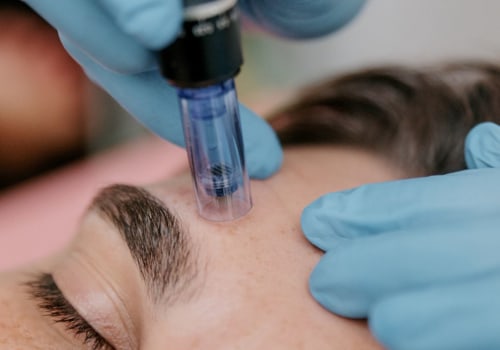
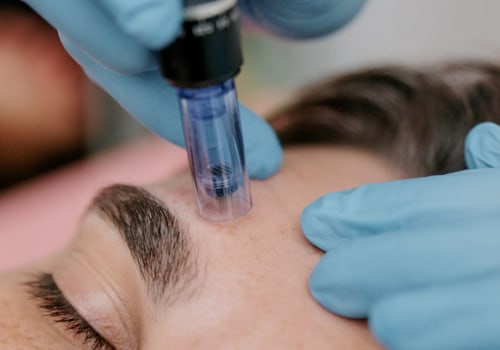
In recent years, the use of exosomes in aesthetic treatments has gained significant traction, revolutionising the way we approach skin rejuvenation and hair restoration. These tiny vesicles, rich in bioactive molecules, are proving to be a game-changer in enhancing the outcomes of various cosmetic procedures.Exosomes in Skincare
Exosomes derived from stem cells are particularly beneficial in skincare applications. They contain a plethora of growth factors, cytokines, and proteins that facilitate cellular communication and regeneration.
When applied topically or introduced into the skin through microneedling or other delivery methods, exosomes can:
- Stimulate Collagen Production: By promoting fibroblast activity, exosomes enhance collagen synthesis, leading to improved skin elasticity and reduced wrinkles.
- Reduce Inflammation: Their anti-inflammatory properties help soothe irritated skin, making them ideal for treating conditions such as rosacea and eczema.
- Accelerate Healing: Exosomes can significantly speed up recovery times following aesthetic procedures, minimising downtime for patients.
Aesthetic Applications of Exosomes
The versatility of exosomes extends beyond skincare. In hair restoration treatments, they play a crucial role in revitalising hair follicles. When injected into the scalp, exosomes can:
- Enhance Hair Growth: By delivering essential growth factors directly to hair follicles, exosomes stimulate hair regrowth and improve overall hair density.
- Improve Scalp Health: Their regenerative properties help maintain a healthy scalp environment, which is vital for optimal hair growth.
Benefits of Exosome Treatments
The benefits of incorporating exosomes into aesthetic treatments are manifold:
- Non-Invasive: Exosome therapies are typically non-surgical, making them appealing for those seeking less invasive options.
- Minimal Side Effects: With a natural origin and biocompatibility, exosome treatments generally exhibit fewer side effects compared to traditional cosmetic interventions.
- Customisable Treatments: The ability to tailor exosome therapies based on individual patient needs enhances their effectiveness and satisfaction rates.
Challenges and Considerations in Exosome Research
Researching exosomes presents a unique set of challenges that can complicate their study and therapeutic application.One of the primary difficulties lies in the isolation of exosomes from biological fluids. Due to their small size, typically ranging from 30 to 160 nanometers, exosomes are often difficult to detect and purify. Conventional methods such as ultracentrifugation can be time-consuming and may not yield pure populations of exosomes, leading to contamination with other extracellular vesicles or cellular debris. This lack of purity can significantly affect the reliability of experimental results and therapeutic outcomes.Moreover, the heterogeneity of exosomes poses another challenge.
Exosomes derived from different cell types or even from the same cell type under varying conditions can have distinct molecular compositions. This variability complicates the understanding of their biological functions and therapeutic potential. Researchers must develop standardised protocols for exosome isolation and characterisation to ensure consistency across studies.In addition to these technical challenges, there are also safety concerns associated with exosome therapy. While exosomes have shown promise in promoting healing and reducing inflammation, their long-term effects on human health remain largely unknown.
Potential risks include immune reactions or unintended transfer of pathogenic materials, which could lead to adverse effects. Rigorous clinical trials are essential to evaluate the safety and efficacy of exosome-based therapies before they can be widely adopted in clinical practice.Looking towards the future, there are several exciting directions for exosome research. Advances in nanotechnology and molecular biology may facilitate more efficient methods for isolating and characterising exosomes, enhancing our understanding of their roles in health and disease. Furthermore, exploring the potential of engineered exosomes—modified to carry specific therapeutic agents—could open new avenues for targeted drug delivery systems.As researchers continue to unravel the complexities surrounding exosomes, it is crucial to address these challenges head-on.
By improving isolation techniques, ensuring safety through comprehensive testing, and exploring innovative applications, the field of exosome research holds great promise for future medical advancements.
Frequently Asked Questions About Exosomes
As interest in exosomes continues to grow, many individuals have questions about their function, safety, and therapeutic potential. Below are some frequently asked questions that aim to clarify common misconceptions and provide valuable insights for those considering exosome therapy.What exactly are exosomes?
Exosomes are small extracellular vesicles, typically ranging from 30 to 160 nanometers in diameter, that are secreted by various cell types. They play a crucial role in intercellular communication by transporting proteins, lipids, and nucleic acids between cells. This transfer of information is essential for numerous biological processes, including immune response and tissue repair.How do exosomes work in the body?
Exosomes function as messengers that facilitate communication between cells.When a cell releases an exosome, it carries specific molecular signals that can influence the behaviour of recipient cells. For instance, exosomes can promote healing by delivering growth factors and other biomolecules that stimulate tissue regeneration and reduce inflammation.
Are exosome therapies safe?
Exosome therapies are generally considered safe, especially when derived from autologous (self) sources, such as a patient’s own stem cells. However, as with any medical treatment, it is essential to consult with a qualified healthcare professional to discuss potential risks and benefits tailored to individual health needs.What are some common misconceptions about exosomes?
- Misconception 1: All extracellular vesicles are the same.
- Misconception 2: Exosome therapy is a miracle cure.
- Misconception 3: Exosomes can only be used for skin treatments.
Can exosomes be used for hair restoration?
Yes, exosome therapy has been explored as a treatment for hair loss.By delivering growth factors and other regenerative molecules directly to hair follicles, exosomes may help stimulate hair growth and improve overall scalp health.Understanding these aspects of exosomes can help individuals make informed decisions regarding their use in therapeutic applications. As research continues to evolve, the potential of exosomes in medicine remains an exciting frontier.
Conclusion: The Future of Exosome Research and Therapy
As we draw our exploration of exosomes to a close, it is essential to reflect on the significant insights gained regarding their role in cellular communication and potential therapeutic applications. Exosomes, as we have discussed, are not merely cellular by-products; they are sophisticated vesicles that facilitate vital intercellular interactions, carrying a diverse array of biomolecules that can influence the behaviour of recipient cells.The therapeutic potential of exosomes is vast and continues to expand. Current research highlights their promising applications in regenerative medicine, particularly in enhancing wound healing and reducing inflammation.Moreover, their ability to deliver genetic material and proteins makes them ideal candidates for targeted therapies in various diseases, including cancer and neurodegenerative disorders.Looking ahead, several key areas warrant further investigation:
- Standardisation of Exosome Isolation: Developing reliable methods for isolating and characterising exosomes will be crucial for advancing research and clinical applications. This includes ensuring the purity and concentration of exosomal preparations.
- Understanding Mechanisms of Action: Further studies are needed to elucidate how exosomes exert their effects on target cells. This includes understanding the specific pathways they activate and the long-term impacts on cellular function.
- Clinical Trials: As interest in exosome therapy grows, robust clinical trials will be necessary to evaluate their safety and efficacy in various therapeutic contexts. This will help establish guidelines for their use in clinical practice.
- Regulatory Frameworks: The establishment of clear regulatory guidelines will be essential to ensure the safe application of exosome-based therapies in medicine.
As we continue to unravel the complexities of these vesicles, we may unlock new avenues for treatment that could revolutionise how we approach various health conditions. The ongoing collaboration between researchers, clinicians, and regulatory bodies will be pivotal in translating these scientific advancements into effective therapies that can benefit patients worldwide.