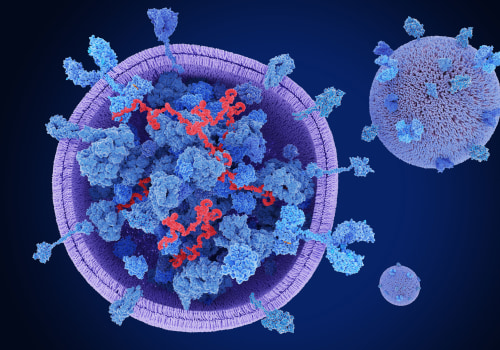
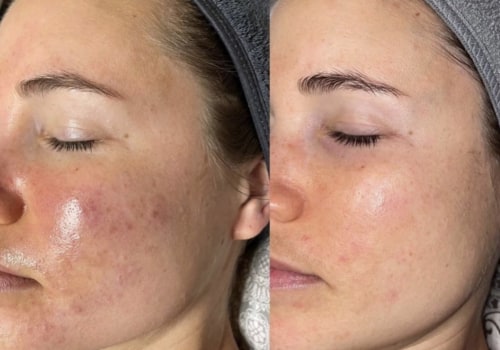
Exosomes are small extracellular vesicles that play a crucial role in intercellular communication. These nano-sized particles, typically ranging from 30 to 160 nanometers, are secreted by various cell types and contain a rich cargo of proteins, lipids, and nucleic acids. Their primary function is to facilitate the transfer of molecular information between cells, thereby influencing numerous biological processes. In recent years, exosomes have garnered significant attention in the field of medical aesthetics due to their remarkable potential in skin rejuvenation and wound healing.The significance of exosomes in aesthetics lies in their ability to promote cellular regeneration and repair.
When applied topically or injected into the skin, exosomes can enhance the body’s natural healing processes. They stimulate fibroblast activity, leading to increased collagen production, which is essential for maintaining skin elasticity and firmness. Furthermore, exosomes possess anti-inflammatory properties that can help reduce redness and swelling, making them an ideal choice for post-procedure recovery.One of the most compelling benefits of using exosomes in aesthetic treatments is their versatility. They can be utilised in various applications, including facial rejuvenation, scar treatment, and even hair restoration.
As a result, clinics that incorporate exosome therapies into their offerings can provide patients with innovative solutions that yield impressive results. Moreover, the use of exosomes aligns with the growing trend towards regenerative medicine, where the focus is on harnessing the body’s own healing mechanisms to achieve optimal outcomes.As we delve deeper into the world of exosomes, it becomes evident that understanding their properties and functions is essential for selecting the right brand for your clinic. The effectiveness of exosome treatments largely depends on factors such as purity, source, and stability. By choosing high-quality exosome products, practitioners can ensure that they are delivering safe and effective treatments that meet the needs of their patients.
The Science Behind Exosomes: How They Work
Exosomes are fascinating biological entities that play a pivotal role in intercellular communication.These extracellular vesicles are secreted by various cell types and are involved in numerous physiological processes. Understanding how exosomes work is essential for clinics looking to harness their therapeutic potential.Originating from the endosomal system, exosomes are formed when multivesicular bodies (MVBs) fuse with the plasma membrane of a cell, releasing their contents into the extracellular space. This process is crucial as it allows cells to communicate with one another by transferring proteins, lipids, and nucleic acids. The composition of exosomes varies depending on the cell type from which they originate, making them unique carriers of biological information.One of the key mechanisms by which exosomes exert their effects is through cell signalling.
When exosomes are taken up by recipient cells, they can influence various cellular functions, including proliferation, differentiation, and immune responses. This ability to modulate cellular behaviour is what makes exosome therapy so promising in clinical applications.The benefits of exosome therapy are manifold:
- Enhanced Healing: Exosomes can accelerate wound healing and tissue regeneration by promoting cell migration and proliferation.
- Anti-Inflammatory Effects: They possess anti-inflammatory properties that can help reduce inflammation in various conditions.
- Cellular Repair: Exosomes can facilitate repair mechanisms in damaged tissues, making them valuable in regenerative medicine.
- Immune Modulation: They can modulate immune responses, which is particularly beneficial in autoimmune diseases.
Benefits of Using Exosomes in Clinical Practice
Incorporating exosome therapy into clinical practice offers a multitude of benefits that can significantly enhance patient outcomes. These small extracellular vesicles are rich in proteins, lipids, and genetic material, making them powerful agents for cellular communication and regeneration.Enhanced Healing
One of the most notable advantages of exosome therapy is its ability to promote healing.
Exosomes facilitate the repair of damaged tissues by delivering essential growth factors and cytokines directly to the target cells. This targeted delivery accelerates the healing process, making it particularly beneficial for patients recovering from surgical procedures or injuries.Exosomes facilitate the repair of damaged tissues by delivering essential growth factors and cytokines directly to the target cells. This targeted delivery accelerates the healing process, making it particularly beneficial for patients recovering from surgical procedures or injuries.
Improved Skin Texture
Exosomes have gained popularity in aesthetic medicine due to their remarkable effects on skin rejuvenation. By stimulating collagen production and enhancing cellular turnover, exosome therapy can lead to improved skin texture and tone. Patients often report a more youthful appearance, with reduced fine lines and wrinkles following treatment.
Reduced Inflammation
Chronic inflammation is a common underlying factor in many skin conditions and can hinder the healing process.
Exosomes possess anti-inflammatory properties that help to modulate the immune response, reducing inflammation and promoting a healthier skin environment. This makes them an excellent option for treating conditions such as acne, rosacea, and psoriasis.
Versatile Clinical Applications
The versatility of exosome therapy extends beyond aesthetics. In clinical settings, exosomes are being explored for their potential in treating various conditions, including:
- Orthopaedics: Enhancing recovery from joint injuries and surgeries.
- Cardiology: Supporting heart tissue regeneration post-myocardial infarction.
- Neurology: Potential applications in neurodegenerative diseases by promoting neuronal repair.
Patient Satisfaction
Ultimately, the incorporation of exosome therapy into clinical practice can lead to higher patient satisfaction rates. With minimal downtime and impressive results, patients are more likely to return for additional treatments and recommend the clinic to others.
This not only enhances the clinic's reputation but also contributes to its overall success.In conclusion, the benefits of using exosomes in clinical practice are profound. From enhanced healing and improved skin texture to reduced inflammation and versatile applications, exosome therapy presents a compelling case for clinics aiming to provide cutting-edge treatments that meet the evolving needs of their patients.
Key Factors to Consider When Choosing an Exosome Brand
When it comes to selecting an exosome brand for your clinic, several critical factors must be evaluated to ensure you are making an informed decision. The efficacy and safety of exosome therapies largely depend on the quality of the product you choose. Here are the key considerations:- Stability: The stability of exosomes is paramount.
Exosomes can be sensitive to environmental conditions, which may affect their functionality. Look for brands that provide data on their exosome stability under various storage conditions. Ideally, the product should maintain its integrity and bioactivity over time, ensuring consistent results for your patients.
- Purity: The purity of exosomes is another essential factor. Contaminants can compromise the therapeutic effects and safety of exosome treatments.
Choose brands that conduct rigorous purification processes and provide certificates of analysis (CoA) to verify the absence of harmful substances. High-purity exosomes are more likely to deliver the desired outcomes without adverse effects.
- Sourcing: Understanding where the exosomes are sourced from is crucial. Exosomes derived from human cells, particularly stem cells, tend to have superior regenerative properties compared to those from other sources. Investigate the origin of the cells used in the production process and ensure they adhere to ethical standards and best practices in cell sourcing.
- Regulatory Compliance: Ensure that the exosome brand complies with local and international regulations.
Brands that follow Good Manufacturing Practices (GMP) and have undergone clinical trials demonstrate a commitment to quality and safety. Regulatory compliance not only assures you of the product's reliability but also protects your clinic from potential legal issues.
- Reputation and Reviews: Researching the reputation of an exosome brand can provide valuable insights into its reliability. Look for reviews from other clinics and practitioners who have used the product. Positive testimonials and case studies can indicate a brand's effectiveness and customer satisfaction.
This diligence will ultimately enhance patient outcomes and contribute to the success of your aesthetic practice.
Evaluating Exosome Brands: A Comparative Analysis
When it comes to selecting the right exosome brand for your clinic, a thorough comparative analysis is essential. With numerous options available, understanding the nuances of each brand can significantly impact the effectiveness of treatments offered to patients. Below, we delve into a few of the most prominent exosome brands on the market, evaluating them based on key criteria such as effectiveness , safety , and customer feedback .- Brand A: Known for its high purity levels, Brand A has garnered positive reviews for its efficacy in skin rejuvenation. Many practitioners report noticeable improvements in skin texture and elasticity within weeks of treatment.
However, some users have raised concerns about the cost, which is higher than average.
- Brand B: This brand is celebrated for its comprehensive safety profile. Clinical studies indicate minimal side effects, making it a preferred choice for clinics prioritising patient safety. Customer feedback highlights its effectiveness in wound healing, although some users noted slower results compared to other brands.
- Brand C: With a focus on innovative extraction methods, Brand C claims to offer superior exosome products that enhance cellular communication. Reviews suggest that while initial results are promising, long-term benefits may vary among patients.
Its pricing is competitive, making it an attractive option for budget-conscious clinics.
- Brand D: This brand has made a name for itself through extensive research and development. Users frequently commend its consistency in product quality and effectiveness across various applications. However, some clinics have reported challenges in sourcing due to high demand.
Furthermore, engaging with fellow practitioners through forums or professional networks can provide valuable insights into real-world experiences with different exosome products.Ultimately, the best exosome brand for your clinic will depend on your specific needs and patient demographics. By conducting a thorough evaluation of available options and considering both clinical evidence and user experiences, you can make an informed decision that enhances your practice's offerings.
Regulatory Considerations for Exosome Products
When considering the integration of exosome therapies into your clinic, understanding the regulatory landscape is crucial. The use of exosomes in medical aesthetics is still a relatively new field, and as such, it is subject to various regulations that can differ significantly by region. Compliance with these regulations not only ensures the safety and efficacy of the products you use but also protects your clinic from potential legal repercussions.In many countries, exosome products are classified under different regulatory frameworks depending on their intended use.For instance, in the United States, the Food and Drug Administration (FDA) categorises exosome therapies as biological products. This classification means that any product intended for therapeutic use must undergo rigorous testing and approval processes to demonstrate its safety and effectiveness.Similarly, in Europe, the European Medicines Agency (EMA) oversees the regulation of advanced therapy medicinal products (ATMPs), which include exosomes. Clinics must ensure that any exosome product they consider is compliant with these regulations, which often require comprehensive documentation regarding manufacturing processes, clinical trials, and post-market surveillance.Moreover, it is essential to verify that the exosome brand you choose adheres to Good Manufacturing Practices (GMP). GMP compliance indicates that the product has been manufactured under strict quality control standards, minimising risks associated with contamination or variability in product composition.Legal considerations also extend to informed consent.
Patients should be fully informed about the nature of exosome therapies, including potential risks and benefits. This transparency not only fosters trust but also aligns with ethical practices mandated by health authorities.In summary, navigating the regulatory landscape surrounding exosome products is vital for clinics aiming to offer these innovative therapies. By ensuring compliance with local regulations and selecting brands that prioritise safety and quality, you can enhance your clinic's reputation while providing effective treatments to your patients.
Case Studies: Successful Implementation of Exosome Therapy in Clinics
Exosome therapy has gained significant traction in the field of medical aesthetics, with numerous clinics reporting remarkable outcomes. Below are several case studies that illustrate the successful implementation of exosome therapy, highlighting the effectiveness of various brands.Case Study 1: Skin Rejuvenation in a Dermatology Clinic
At a leading dermatology clinic in London, a cohort of patients aged 35 to 60 underwent exosome therapy for skin rejuvenation.The clinic utilised a well-regarded brand known for its high purity and stability. Over a period of three months, patients received a series of treatments that included micro-needling combined with exosome application.
- Results: 85% of participants reported noticeable improvements in skin texture and elasticity.
- Clinical Outcome: Dermatologists observed a significant reduction in fine lines and wrinkles, with many patients expressing satisfaction with their rejuvenated appearance.
Case Study 2: Wound Healing in a Surgical Centre
A surgical centre specialising in reconstructive surgery implemented exosome therapy to enhance wound healing post-surgery. The selected exosome brand was noted for its robust sourcing from mesenchymal stem cells, which are known to promote healing.- Results: Patients experienced accelerated healing times, with wounds closing 30% faster than those treated with traditional methods.
- Clinical Outcome: The centre reported fewer complications and improved patient satisfaction, as many patients returned to their normal activities sooner than expected.
Case Study 3: Hair Restoration in an Aesthetic Clinic
An aesthetic clinic focused on hair restoration incorporated exosome therapy into its treatment protocols. Using a premium brand renowned for its efficacy in promoting hair growth, the clinic treated patients suffering from androgenetic alopecia.- Results: After six months of treatment, over 70% of participants noted significant hair regrowth and improved hair density.
- Clinical Outcome: The clinic reported an increase in patient referrals due to the visible success of the treatments, establishing itself as a leader in hair restoration therapies.
By selecting reputable brands that prioritise quality and efficacy, clinics can achieve remarkable clinical outcomes that not only enhance patient satisfaction but also elevate their practice's reputation in the competitive landscape of medical aesthetics.
Frequently Asked Questions About Exosomes
As the interest in exosomes continues to grow, many potential clients and practitioners have questions regarding their use, efficacy, and safety. Below are some of the most frequently asked questions about exosomes that can help clarify common concerns.What are exosomes?
Exosomes are small extracellular vesicles that are secreted by various cell types. They play a crucial role in cell communication and can carry proteins, lipids, and RNA molecules. In the context of medical aesthetics, exosomes derived from stem cells are particularly valued for their regenerative properties.How do exosomes work?
Exosomes facilitate intercellular communication by transferring bioactive molecules between cells.When applied to the skin or injected into tissues, they can promote healing, reduce inflammation, and stimulate collagen production, leading to improved skin texture and appearance.
Are exosome therapies safe?
Generally, exosome therapies are considered safe when administered by qualified professionals. However, as with any medical treatment, there may be risks involved. It is essential to choose a reputable brand that adheres to strict quality control measures to ensure the safety and efficacy of their products.What should I look for in an exosome brand?
- Stability: Ensure that the exosomes are stable and can maintain their efficacy over time.
- Purity: Look for brands that provide high-purity exosomes free from contaminants.
- Sourcing: Consider where the exosomes are sourced from; those derived from ethically obtained stem cells are preferable.
- Clinical Evidence: Brands that offer clinical studies or data supporting their products can provide additional assurance of effectiveness.
How long do the effects of exosome therapy last?
The duration of effects can vary depending on individual factors such as skin type and age. Generally, patients may notice improvements lasting several months after treatment.Regular follow-up sessions may be recommended to maintain optimal results.
Can anyone receive exosome therapy?
While many individuals can benefit from exosome therapy, it is not suitable for everyone. Those with certain medical conditions or allergies should consult with a healthcare professional before undergoing treatment. A thorough consultation will help determine if this therapy is appropriate for you.If you have more questions or concerns about exosomes, it is advisable to speak directly with a qualified practitioner who can provide tailored advice based on your specific needs.Conclusion: Making an Informed Choice for Your Clinic's Exosome Needs
In conclusion, the selection of an exosome brand for your clinic is a decision that should not be taken lightly. As we have explored throughout this article, the efficacy and safety of exosome treatments hinge on several critical factors, including stability , purity , and source.Each of these elements plays a pivotal role in ensuring that the products you choose will deliver the desired results for your patients.Firstly, understanding the stability of exosomes is essential. Products that are unstable may lose their effectiveness over time, which can lead to subpar outcomes for your clients. Therefore, it is crucial to select brands that provide comprehensive data on their stability testing and shelf life.Secondly, the purity of exosomes cannot be overstated. Contaminants or impurities can not only diminish the therapeutic effects but also pose risks to patient safety.
Clinics should seek brands that adhere to stringent manufacturing processes and provide transparency regarding their purification methods.Moreover, the source of exosomes is equally important. Exosomes derived from high-quality, ethically sourced cells are more likely to yield positive results. It is advisable to choose brands that can trace their exosomes back to reputable sources and provide information about their extraction and processing techniques.Ultimately, making an informed choice involves thorough research and consideration of these factors. Engaging with manufacturers directly, asking for clinical data, and seeking testimonials from other practitioners can provide valuable insights into the performance of different brands.By prioritising quality and efficacy in your selection process, you not only enhance the reputation of your clinic but also ensure that your patients receive the best possible care.
The right exosome brand can significantly impact treatment outcomes, leading to satisfied clients and a thriving practice.In summary, as you navigate the landscape of exosome therapies, remember that diligence in choosing a reputable brand will pay dividends in both patient satisfaction and clinical success.