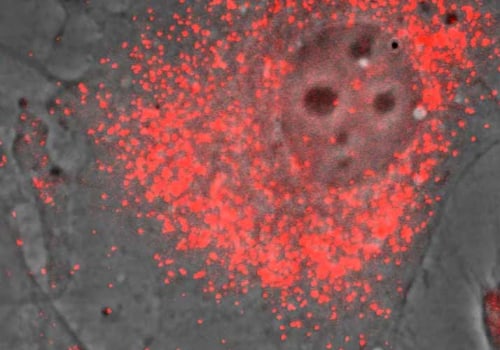
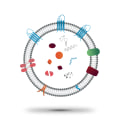
Exosomes are fascinating entities that have garnered significant attention in the field of biomedical research, particularly concerning their role in cell communication and their potential therapeutic applications. These small extracellular vesicles, typically ranging from 30 to 150 nanometres in diameter, are secreted by various cell types and play a pivotal role in mediating intercellular interactions. Composed of a lipid bilayer, exosomes encapsulate a variety of biomolecules, including proteins, lipids, and nucleic acids, which can influence the behaviour of recipient cells.The biological functions of exosomes are diverse and multifaceted. They are involved in numerous physiological processes such as immune response modulation, tissue repair, and cellular homeostasis.
By transferring their cargo to target cells, exosomes can alter gene expression and protein synthesis, thereby influencing cellular functions. This ability to convey molecular signals makes exosomes crucial players in both health and disease.In the context of autoimmune diseases, the role of exosomes becomes even more intriguing. They can carry autoantigens and regulatory molecules that may either exacerbate or mitigate inflammatory responses. Understanding the intricate mechanisms by which exosomes operate is essential for harnessing their potential in therapeutic strategies aimed at modulating immune responses.
As we delve deeper into the revolutionary implications of exosomes in autoimmune conditions, it is vital to grasp their fundamental characteristics and functions.
The Immune System and Autoimmune Diseases
The immune system is a complex network of cells, tissues, and organs that work together to defend the body against harmful pathogens, such as bacteria, viruses, and parasites. It plays a crucial role in maintaining health by identifying and eliminating these threats. However, in some cases, the immune system can malfunction, leading to autoimmune diseases, where the body mistakenly attacks its own healthy cells and tissues.Understanding the immune system's components is essential for grasping the mechanisms behind autoimmune diseases. The primary players in the immune response include:- White blood cells (leukocytes) : These cells are vital for identifying and destroying pathogens.
They include lymphocytes (T cells and B cells), macrophages, and dendritic cells. They include lymphocytes (T cells and B cells), macrophages, and dendritic cells. and B cells), macrophages, and dendritic cells. They include lymphocytes (T cells and B cells), macrophages, and dendritic cells.
- Lymphatic system : This system transports lymph, a fluid containing infection-fighting white blood cells, throughout the body.
- Spleen : The spleen filters blood and helps produce lymphocytes, playing a key role in immune response.
- Bone marrow : This is where blood cells are produced, including red blood cells and various types of white blood cells.
- Systemic autoimmune diseases : These affect multiple organs or systems within the body. Examples include:
- Systemic lupus erythematosus (SLE): A chronic condition that can affect the skin, joints, kidneys, and other organs.
- Rheumatoid arthritis: An inflammatory disorder primarily affecting joints but can also impact other systems.
- Type 1 diabetes: The immune system attacks insulin-producing cells in the pancreas.
- Multiple sclerosis (MS)Multiple sclerosis (MS): The immune system damages the protective covering of nerves in the central nervous system.
The Role of Exosomes in Immune Regulation
Exosomes are increasingly recognised as pivotal players in the complex landscape of immune regulation.These nanoscale vesicles, secreted by various cell types, serve as vehicles for intercellular communication, facilitating the transfer of proteins, lipids, and nucleic acids between cells. This unique capability allows exosomes to influence immune responses significantly.One of the primary mechanisms through which exosomes modulate immunity is by carrying antigenic material. When derived from antigen-presenting cells (APCs), exosomes can present antigens to T cells, thereby enhancing the activation and proliferation of these immune cells. This process is crucial for initiating adaptive immune responses, particularly in the context of infections and malignancies.Moreover, exosomes can also deliver immunosuppressive signals.
For instance, exosomes released from regulatory T cells (Tregs) contain molecules such as TGF-β and IL-10 , which are known to dampen immune responses. This immunomodulatory function is particularly relevant in autoimmune diseases, where an overactive immune system attacks the body’s own tissues. By promoting tolerance and reducing inflammation, exosomes can help restore balance within the immune system.Additionally, exosomes play a role in mediating communication between different immune cell types. For example, they can facilitate cross-talk between dendritic cells and T cells, enhancing the efficiency of immune responses.
This interaction is vital for maintaining homeostasis and ensuring that the immune system responds appropriately to threats without becoming overly aggressive.The potential therapeutic applications of exosomes in autoimmune diseases are vast. By harnessing their natural ability to modulate immune responses, researchers are exploring exosome-based therapies that could either enhance or suppress immunity as needed. Such approaches could lead to innovative treatments that target the underlying mechanisms of autoimmune disorders rather than merely alleviating symptoms.In summary, exosomes are integral to the regulation of immune responses through their diverse mechanisms of action. Their ability to carry and deliver immunomodulatory signals positions them as promising candidates for therapeutic interventions aimed at managing autoimmune diseases effectively.
Exosomes as Biomarkers in Autoimmune Diseases
Exosomes have emerged as a promising avenue for the early diagnosis of autoimmune diseases, serving as potential biomarkers that can provide critical insights into the underlying pathophysiology of these conditions.These nanoscale vesicles, secreted by various cell types, carry a cargo of proteins, lipids, and nucleic acids that reflect the physiological state of their parent cells. This unique characteristic positions exosomes as valuable indicators of disease processes.One of the most significant advantages of using exosomes as biomarkers is their ability to facilitate non-invasive diagnostic procedures. Traditional methods for diagnosing autoimmune diseases often involve invasive biopsies or extensive blood tests, which can be uncomfortable and time-consuming for patients. In contrast, exosomes can be isolated from easily obtainable biological fluids such as blood, urine, or saliva, making them an attractive option for early detection.Research has shown that the composition of exosomes can vary significantly in individuals with autoimmune diseases compared to healthy controls.
For instance, studies have identified specific protein markers within exosomes that are associated with conditions like rheumatoid arthritis and systemic lupus erythematosus. By analysing these markers, clinicians may be able to detect the presence of an autoimmune disease at an earlier stage than currently possible.Moreover, the diagnostic potential of exosomes extends beyond mere detection; they can also provide insights into disease progression and treatment response. For example, changes in the molecular profile of exosomes over time may indicate how well a patient is responding to therapy, allowing for more tailored treatment approaches.In summary, the role of exosomes as biomarkers in autoimmune diseases represents a significant advancement in diagnostic innovation. Their ability to provide early detection through non-invasive means could revolutionise how these complex conditions are diagnosed and managed.
As research continues to unfold, it is likely that exosomal analysis will become an integral part of clinical practice in the field of immunology.
Therapeutic Applications of Exosomes in Autoimmune Diseases
The exploration of exosomes as a therapeutic avenue in the realm of autoimmune diseases has garnered significant attention in recent years. These nano-sized vesicles, secreted by various cell types, are pivotal in mediating intercellular communication and modulating immune responses. Their unique properties make them ideal candidates for innovative treatment strategies aimed at restoring immune balance in patients suffering from autoimmune disorders.One of the most promising applications of exosome therapy lies in their ability to deliver therapeutic molecules directly to target cells. This targeted delivery system can enhance the efficacy of existing treatments while minimising side effects.For instance, exosomes can be engineered to carry anti-inflammatory cytokines or regulatory proteins that can help dampen the hyperactive immune response characteristic of autoimmune diseases such as rheumatoid arthritis and lupus.
Exosome-Based Biomarkers and Diagnostics
In addition to their therapeutic potential, exosomes also serve as valuable biomarkers for early diagnosis and monitoring of autoimmune diseases. The molecular content of exosomes reflects the physiological state of their parent cells, providing insights into disease progression and treatment response. By analysing the specific proteins, lipids, and nucleic acids present in exosomes derived from patients, researchers can develop non-invasive diagnostic tools that facilitate timely interventions.Innovative Treatment Modalities
Recent studies have demonstrated that exosome therapy can significantly improve outcomes in various autoimmune conditions. For example, mesenchymal stem cell (MSC)-derived exosomes have shown promise in reducing inflammation and promoting tissue repair in models of multiple sclerosis and inflammatory bowel disease.These exosomes not only modulate immune responses but also promote the regeneration of damaged tissues, highlighting their dual role as both therapeutic agents and regenerative medicine tools.Furthermore, ongoing clinical trials are investigating the safety and efficacy of exosome-based therapies in humans. Preliminary results indicate that these therapies may offer a novel approach to managing chronic autoimmune conditions, potentially leading to long-lasting remission without the adverse effects associated with conventional immunosuppressive treatments.As research continues to unfold, the future of exosome therapy appears promising. With advancements in biomanufacturing techniques and a deeper understanding of exosomal biology, we may soon witness a paradigm shift in how autoimmune diseases are treated, paving the way for more personalised and effective therapeutic options.
Challenges and Limitations in Exosome Research
While the potential of exosomes in treating autoimmune diseases is promising, several challenges and limitations hinder the progress of research and clinical applications. Understanding these obstacles is crucial for researchers and clinicians alike, as they navigate the complexities of exosomal therapy.One significant challenge in exosome research is the heterogeneity of exosomes themselves.Exosomes are produced by various cell types and can vary significantly in their size, composition, and function. This variability complicates the standardisation of exosome isolation and characterisation methods, making it difficult to ensure consistency across studies. Researchers often employ different techniques for exosome extraction, such as ultracentrifugation, precipitation, or affinity-based methods, each with its own advantages and drawbacks. The lack of a universally accepted protocol can lead to discrepancies in results, hampering the reproducibility of findings.Another limitation lies in the delivery mechanisms of exosomal therapies.
While exosomes have shown promise as vehicles for drug delivery due to their natural ability to traverse biological barriers, ensuring targeted delivery remains a challenge. The biodistribution of exosomes can be unpredictable, leading to potential off-target effects that may compromise therapeutic efficacy or induce adverse reactions. Furthermore, the optimal dosage and timing for administering exosomal therapies are still under investigation, necessitating further research to establish effective treatment protocols.Additionally, there are regulatory hurdles that must be addressed before exosomal therapies can be widely implemented in clinical settings. Regulatory agencies require comprehensive data on the safety and efficacy of new treatments, which can be time-consuming and costly to obtain.
The complexity of exosome biology adds another layer of difficulty in meeting these regulatory requirements.Finally, ethical considerations surrounding the use of biological materials in research cannot be overlooked. The sourcing of exosomes from human tissues raises questions about consent and the potential for exploitation. Ensuring ethical practices in obtaining and utilising biological samples is essential for maintaining public trust in scientific research.In summary, while exosomes hold great potential for revolutionising treatment approaches for autoimmune diseases, addressing these challenges is vital for advancing research and clinical applications. Continued efforts to standardise methodologies, improve delivery systems, navigate regulatory landscapes, and uphold ethical standards will be crucial in unlocking the full therapeutic potential of exosomes.
Future Prospects of Exosomal Therapy in Autoimmune Diseases
The future of exosomal therapy in the treatment of autoimmune diseases holds immense promise, driven by ongoing research and technological advancements.As scientists continue to unravel the complexities of exosome biology, several key areas are emerging that could significantly enhance therapeutic strategies.One of the most exciting prospects is the potential for personalised medicine through exosome-based therapies. By isolating exosomes from a patient’s own cells, researchers can develop tailored treatments that are specifically designed to modulate the immune response. This approach not only minimises the risk of adverse reactions but also maximises therapeutic efficacy, as these exosomes can be engineered to deliver specific anti-inflammatory molecules or regulatory signals directly to target cells.Furthermore, advancements in nanotechnology and drug delivery systems are likely to play a pivotal role in enhancing the effectiveness of exosomal therapies. For instance, the incorporation of nanoparticles into exosomes could improve their stability and bioavailability, allowing for more efficient targeting of affected tissues.
This could be particularly beneficial in conditions such as rheumatoid arthritis or lupus, where localised treatment is crucial.Another promising avenue is the exploration of exosomes as biomarkers for early diagnosis and monitoring of autoimmune diseases. By identifying specific exosomal profiles associated with different conditions, clinicians may be able to detect diseases at an earlier stage, leading to timely interventions and better patient outcomes.As research progresses, it will be essential to address the challenges associated with large-scale production and standardisation of exosomal therapies. Developing robust protocols for isolation and characterisation will ensure consistency and safety in clinical applications. Collaborative efforts between academia and industry will be vital in overcoming these hurdles.In conclusion, the future of exosomal therapy in autoimmune diseases is bright, with numerous avenues for exploration.
Continued investment in research and development will undoubtedly lead to innovative treatments that harness the power of exosomes, ultimately transforming the landscape of autoimmune disease management.
Conclusion: The Transformative Potential of Exosomes in Autoimmunity
In conclusion, the exploration of exosomes has unveiled a transformative potential in the realm of autoimmune diseases, offering new avenues for both understanding and treatment. Throughout this article, we have examined the multifaceted roles that exosomes play in immune regulation, highlighting their capacity to facilitate intercellular communication and modulate inflammatory responses.One of the most significant insights gained is the ability of exosomes to act as carriers of bioactive molecules, including proteins, lipids, and nucleic acids. This characteristic positions them as promising therapeutic agents capable of delivering targeted treatments directly to affected tissues. By harnessing the natural properties of exosomes, researchers are developing innovative strategies that could potentially mitigate the overactive immune responses characteristic of autoimmune conditions.Moreover, the potential of exosomes extends beyond therapy; they also serve as valuable biomarkers for early diagnosis.The presence and composition of exosomes in bodily fluids can provide critical information regarding disease progression and response to treatment. This capability not only enhances our understanding of autoimmune diseases but also paves the way for personalised medicine approaches tailored to individual patient needs.As we look to the future, ongoing research into exosomal biology promises to deepen our understanding of their role in autoimmunity. The integration of advanced technologies such as nanotechnology and genetic engineering may further enhance the efficacy of exosome-based therapies. However, it is essential to approach these developments with caution, ensuring rigorous clinical testing to establish safety and effectiveness.In summary, the revolutionary role of exosomes in managing autoimmune diseases cannot be overstated.
Their unique properties offer a beacon of hope for patients suffering from these complex conditions. As research continues to unfold, we stand on the brink of a new era in autoimmune disease management, one where exosomes could play a central role in transforming therapeutic strategies and improving patient outcomes.